1896 - 1967 · Architect
Pierre Jeanneret
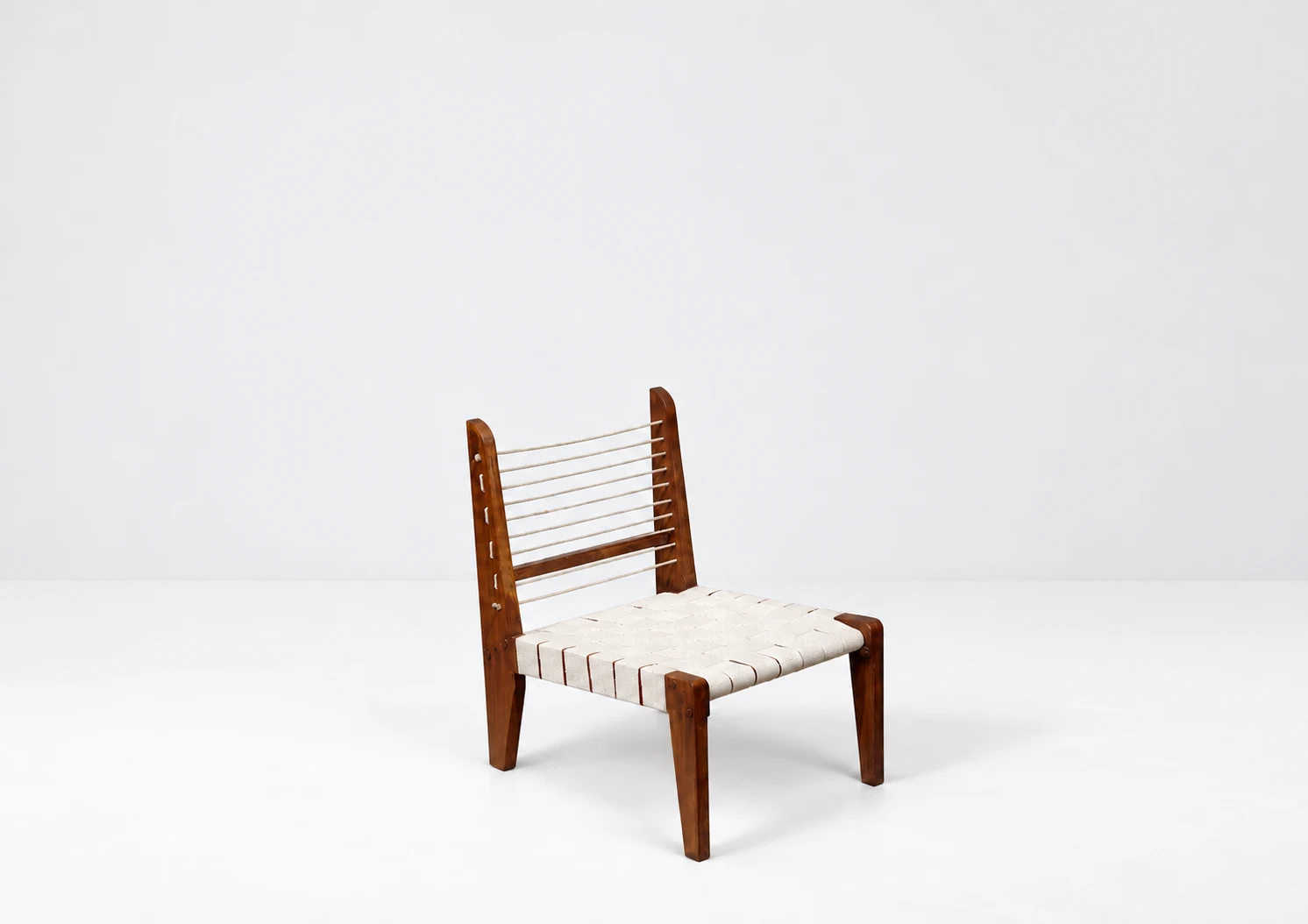
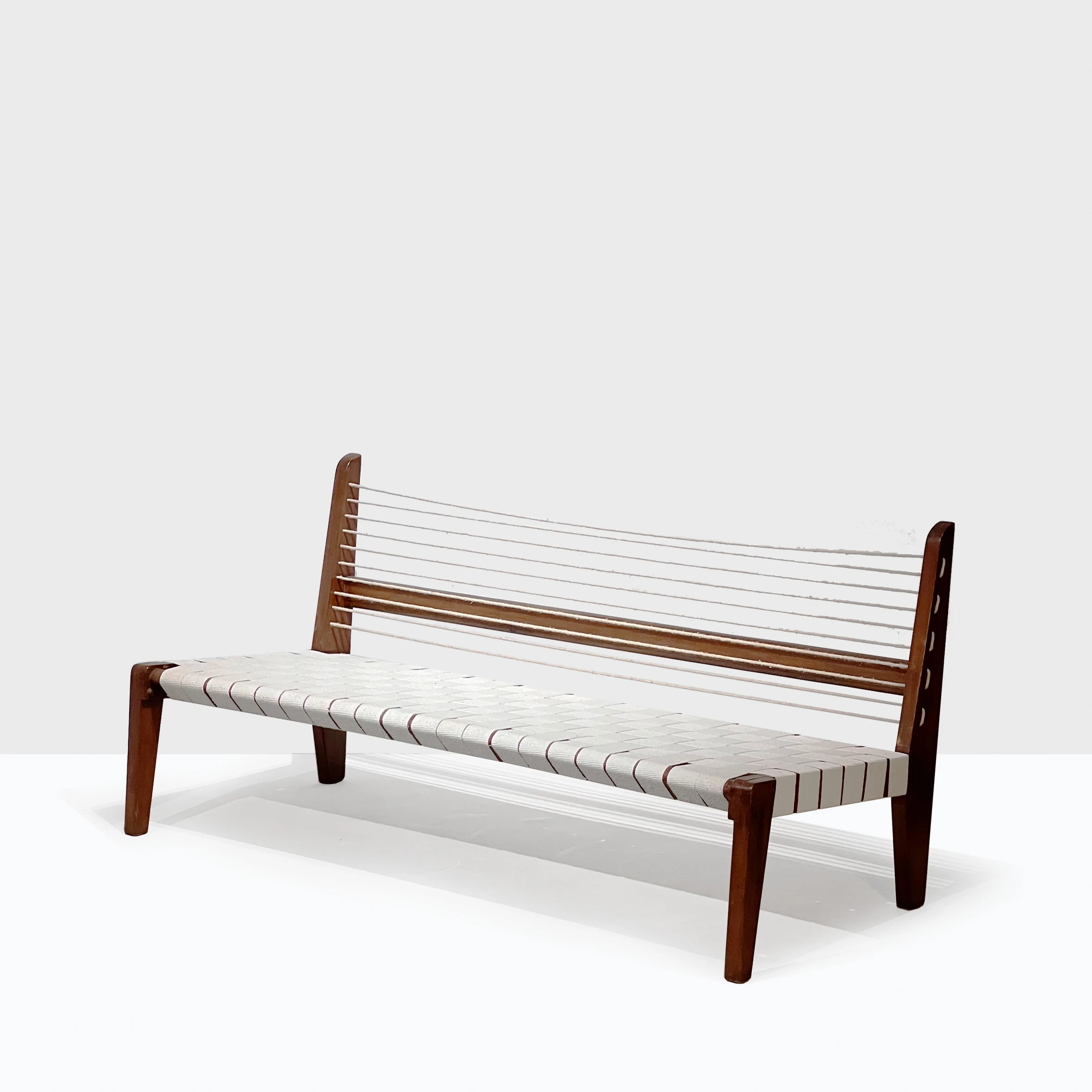
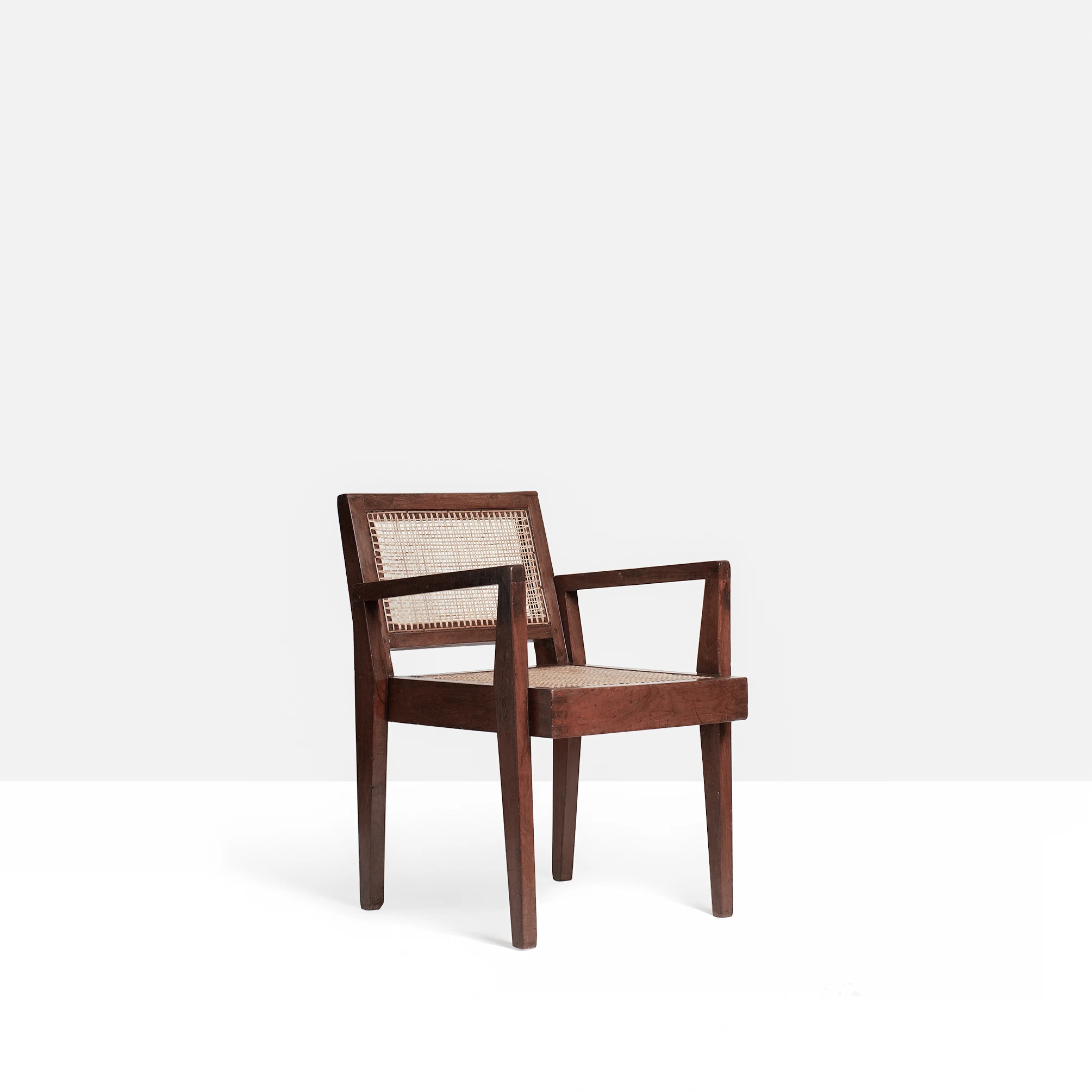
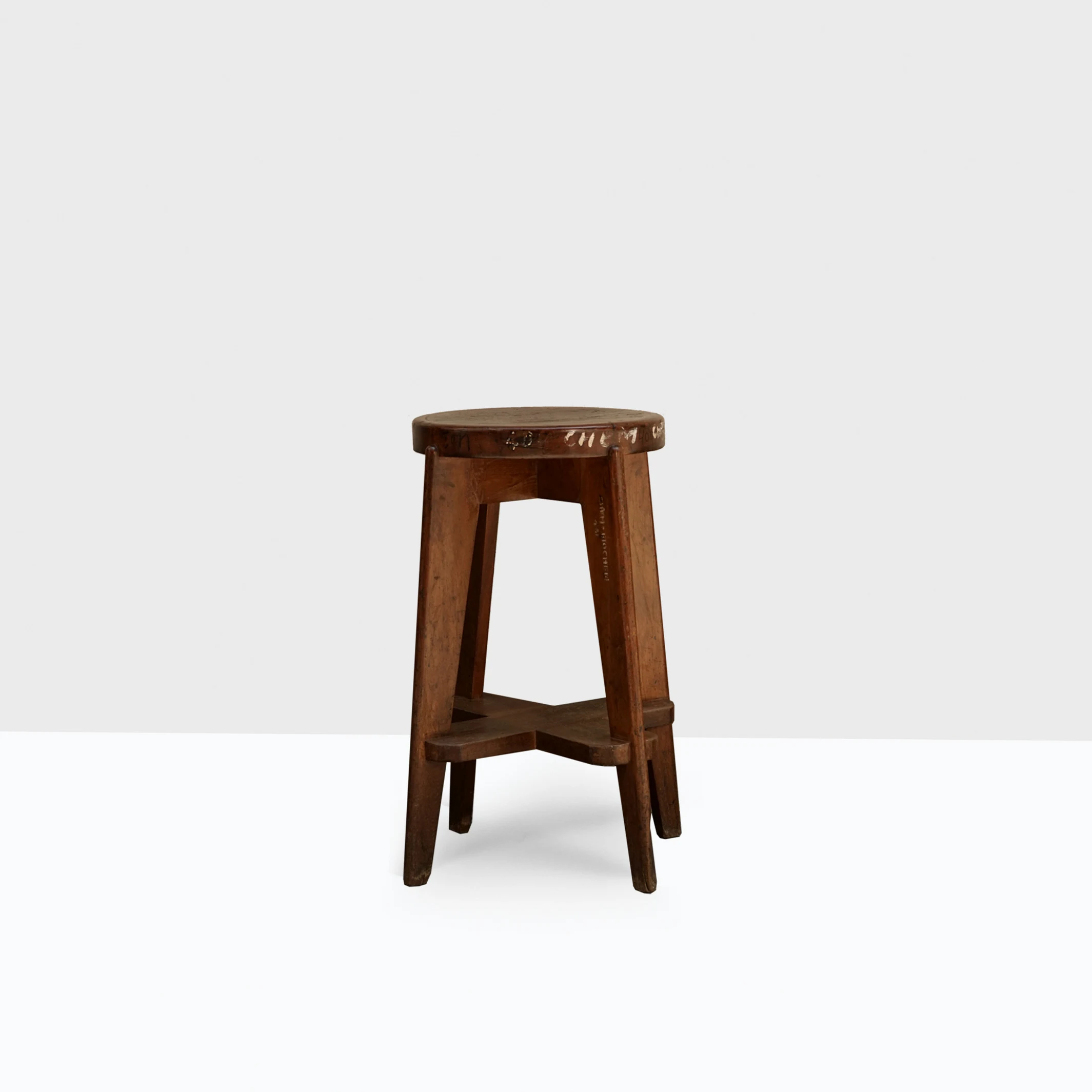
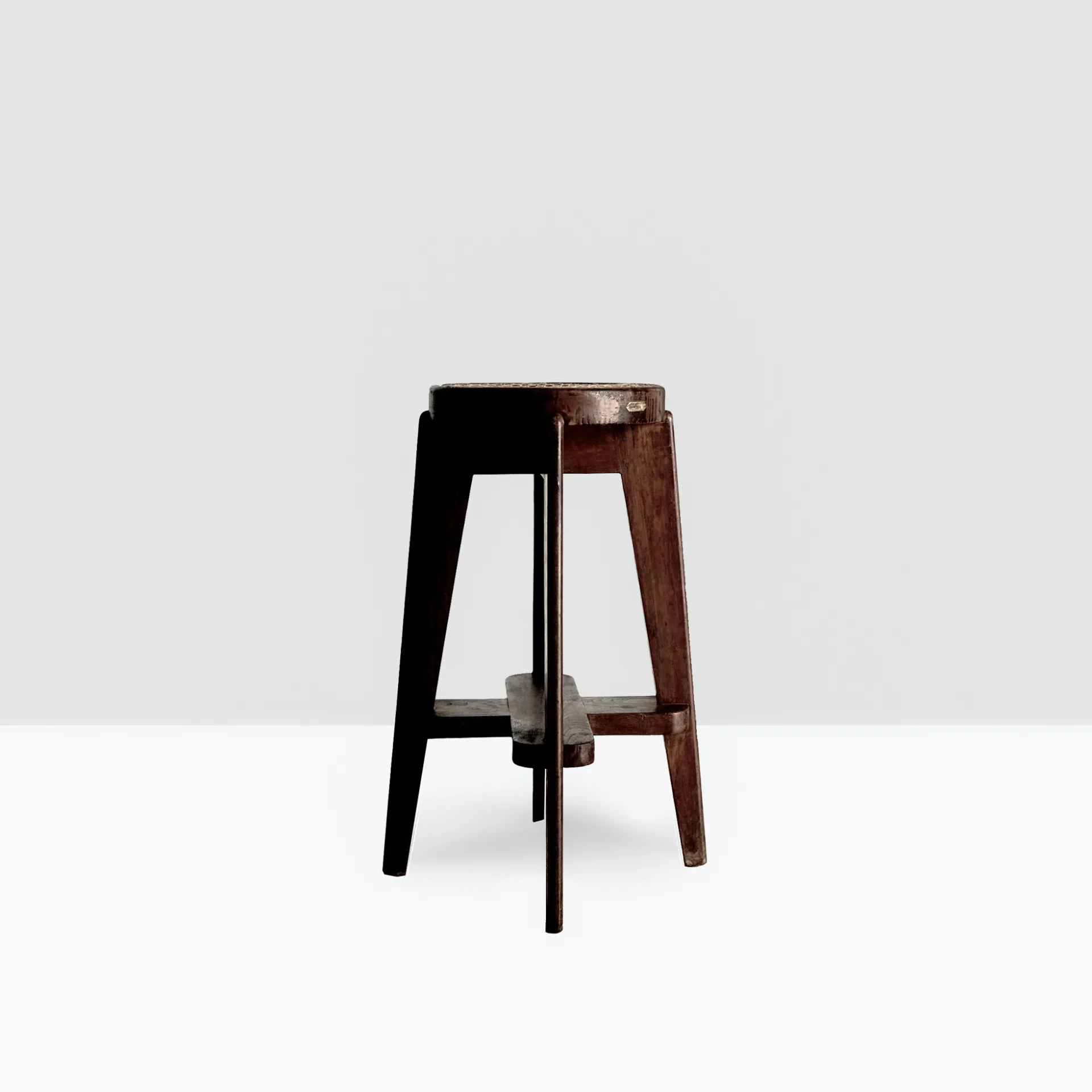
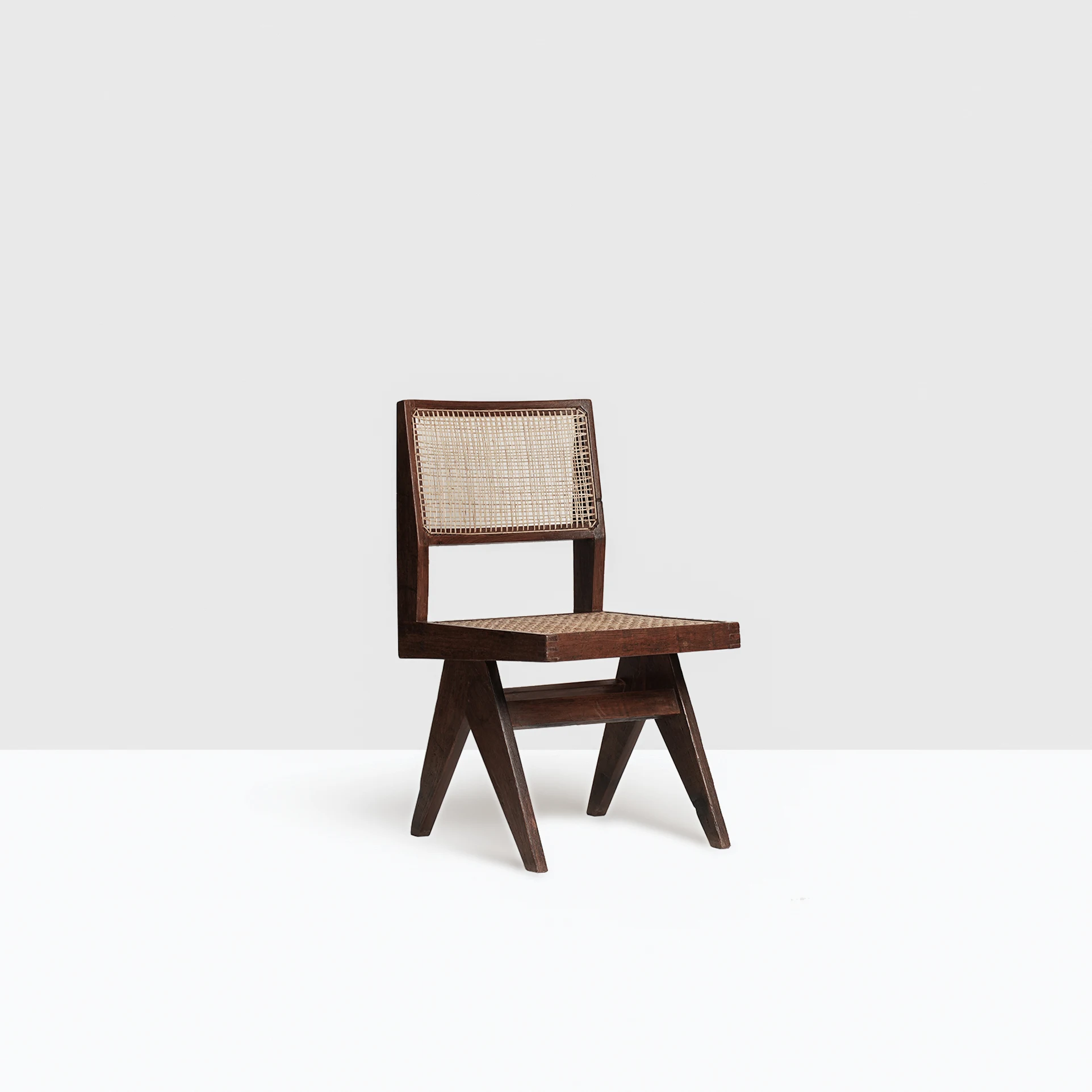
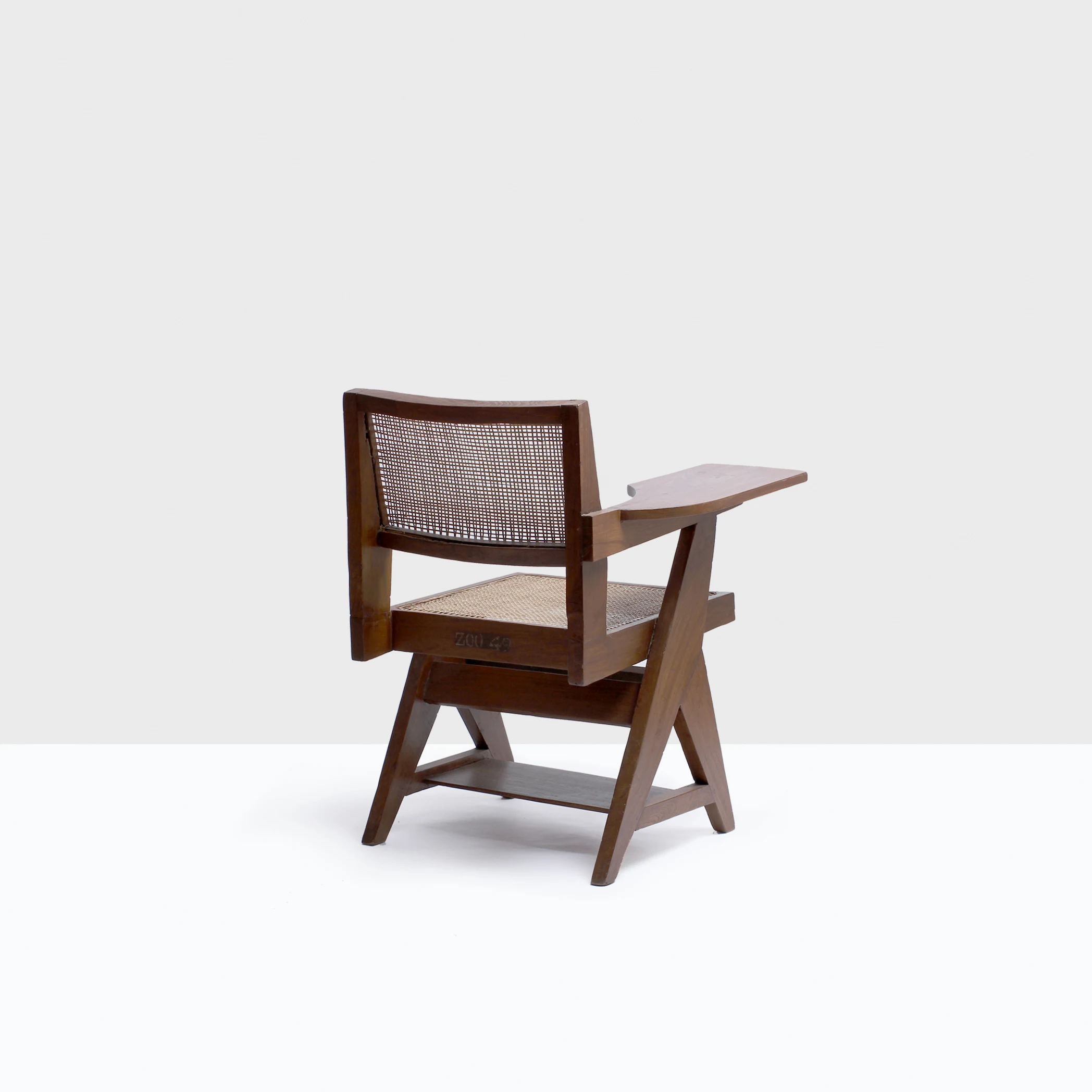
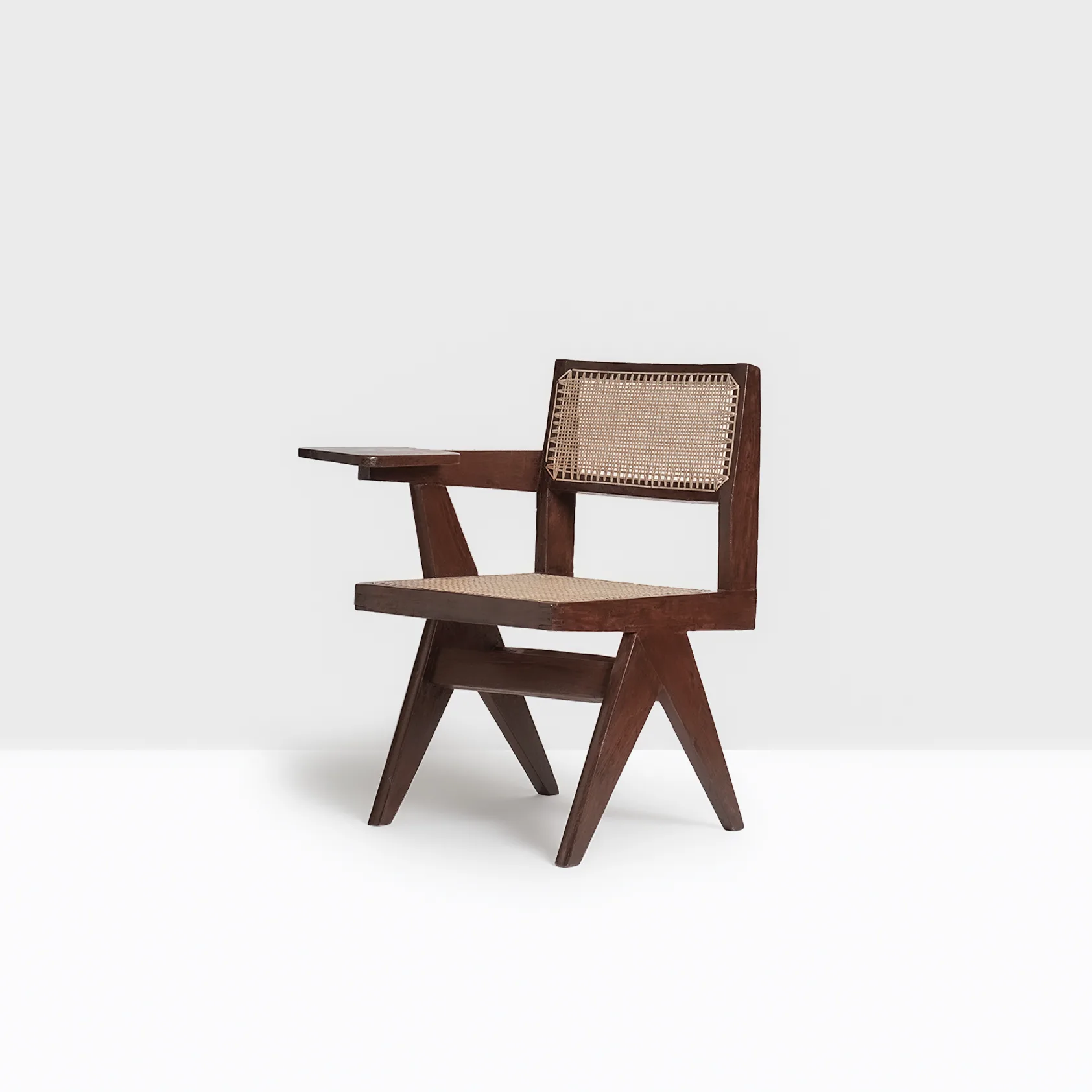
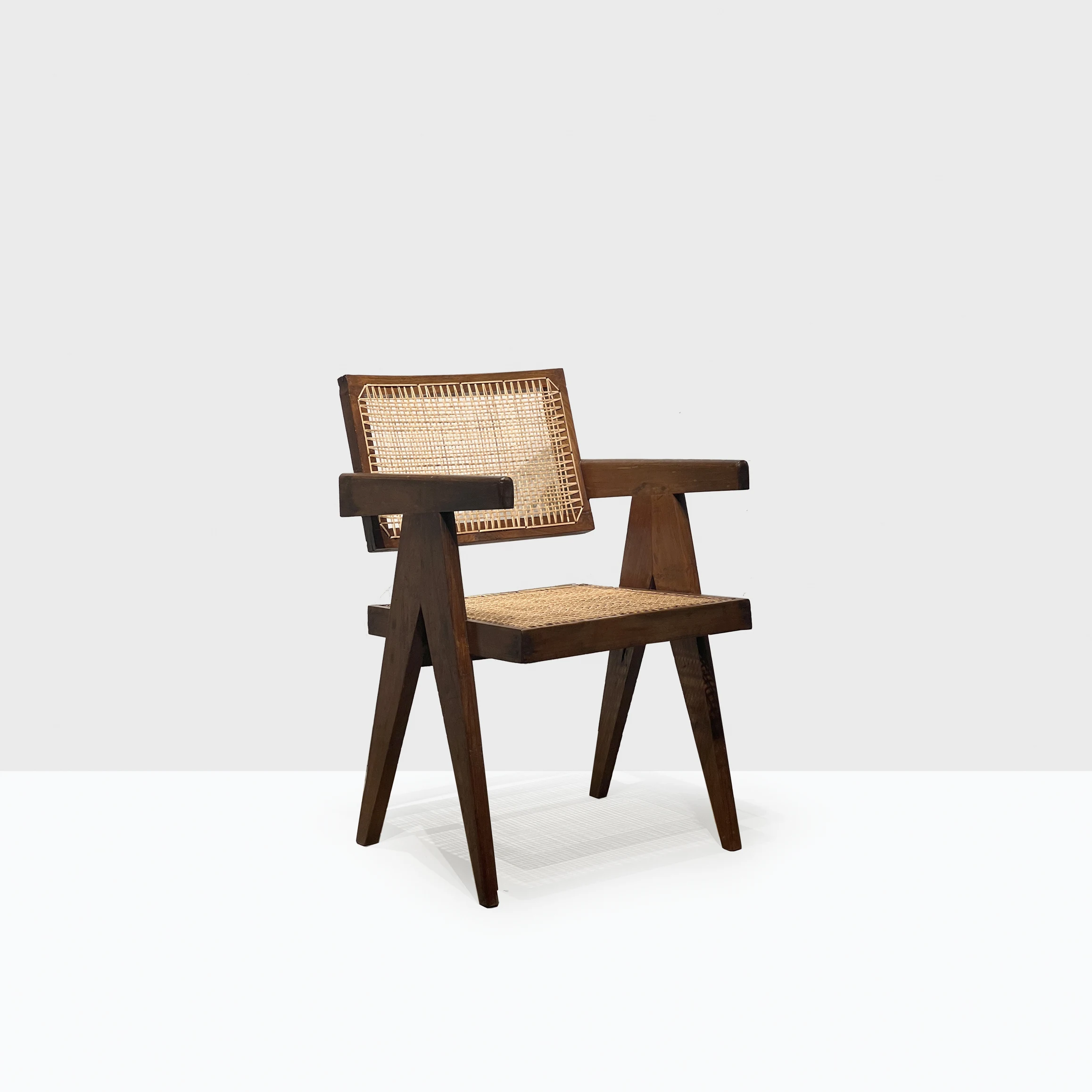
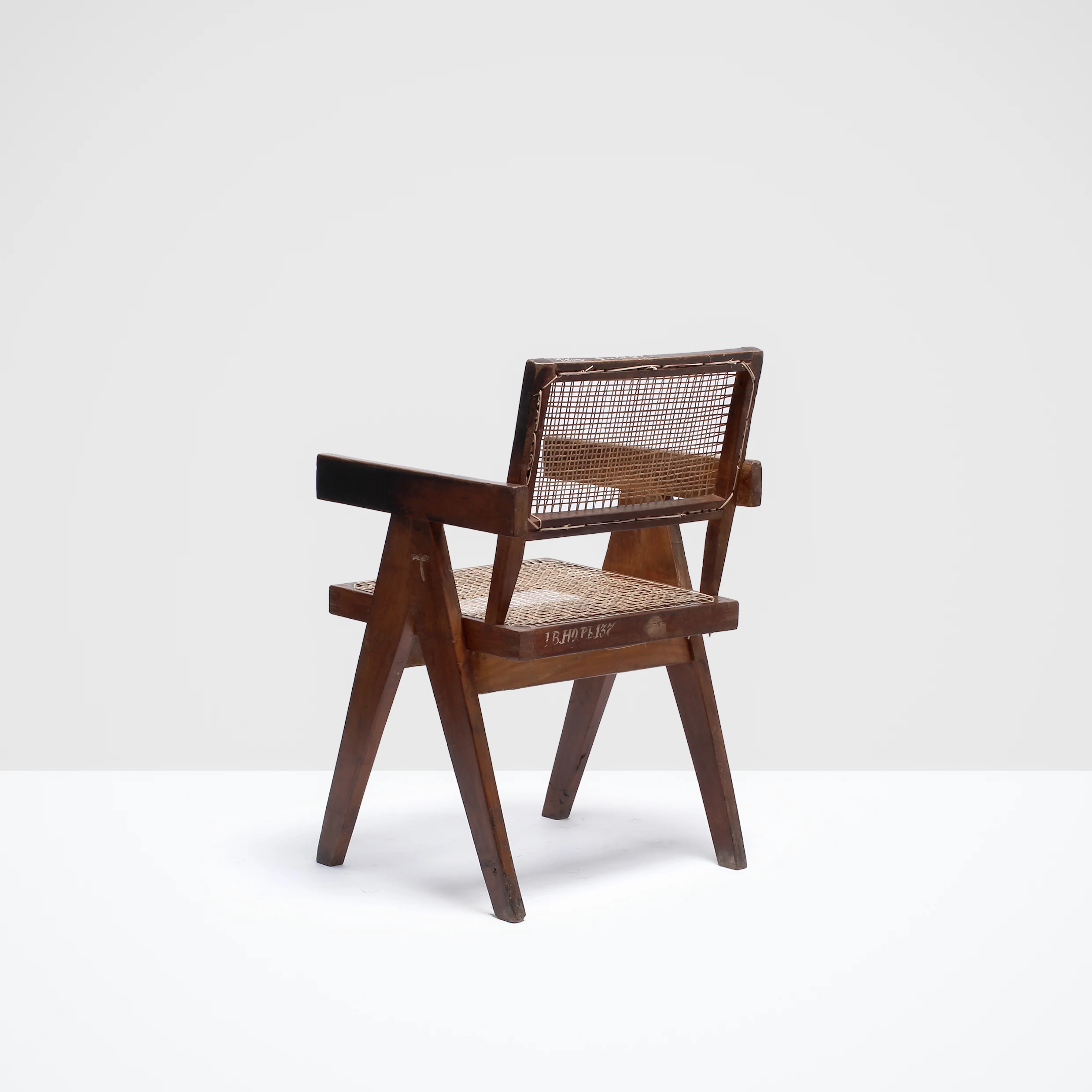
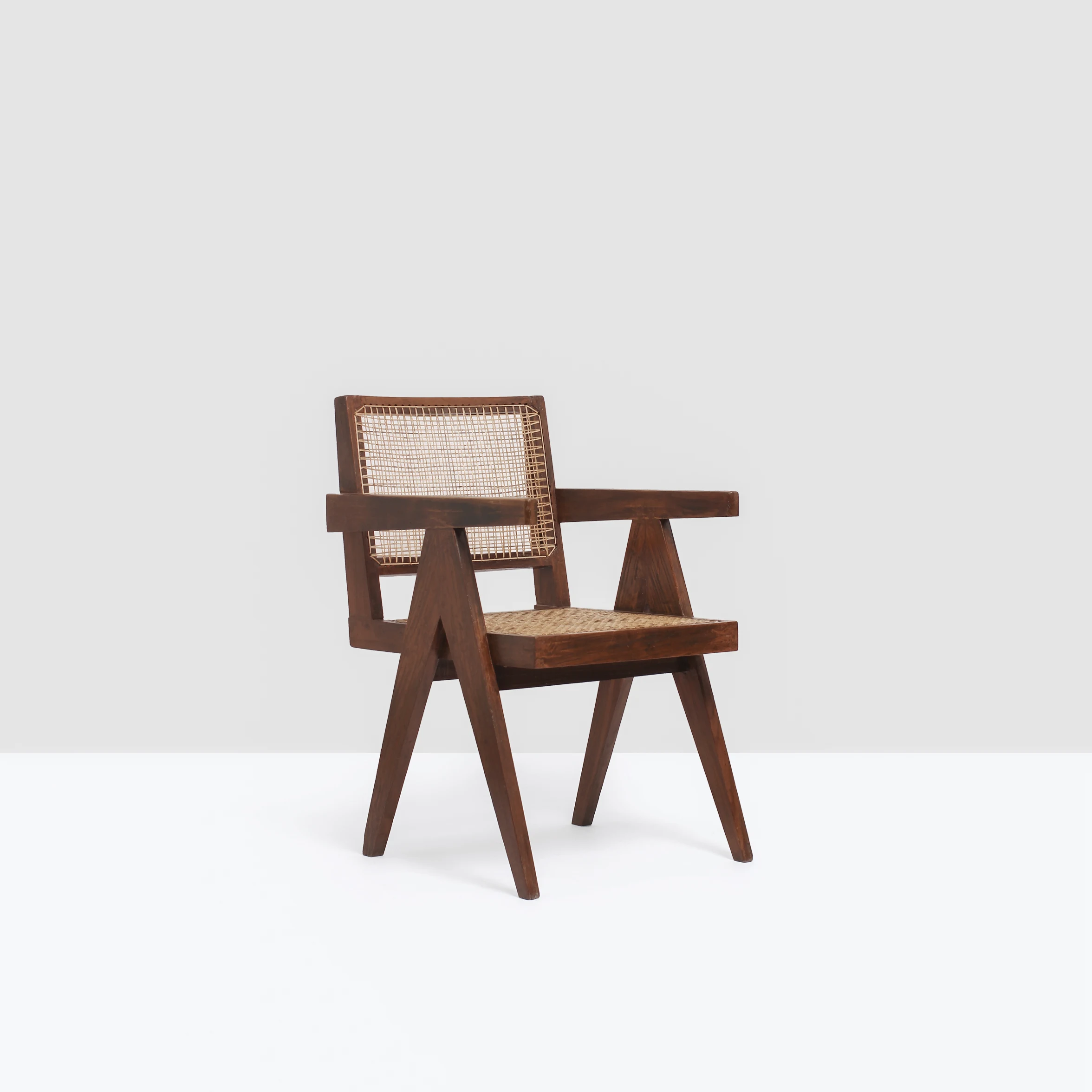
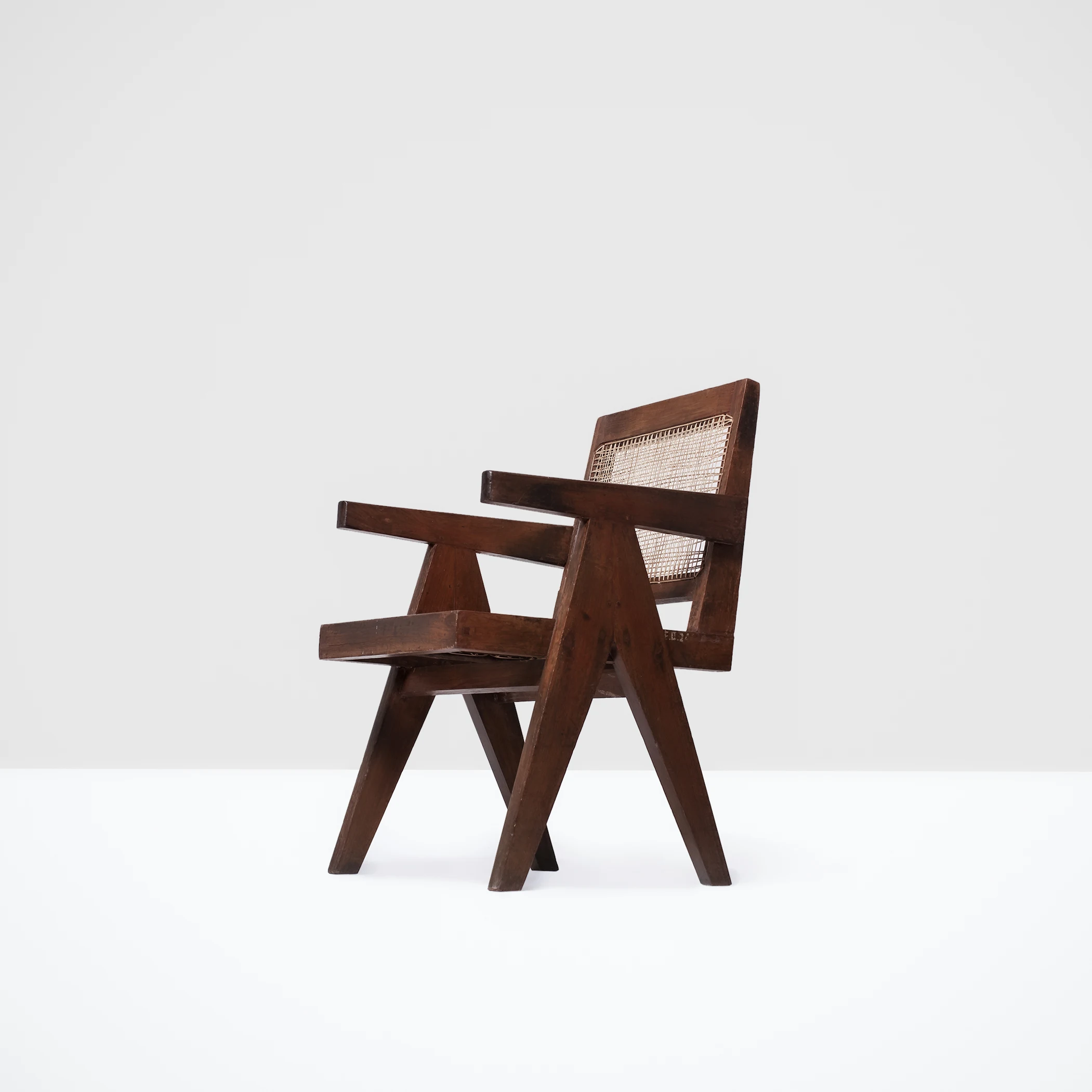
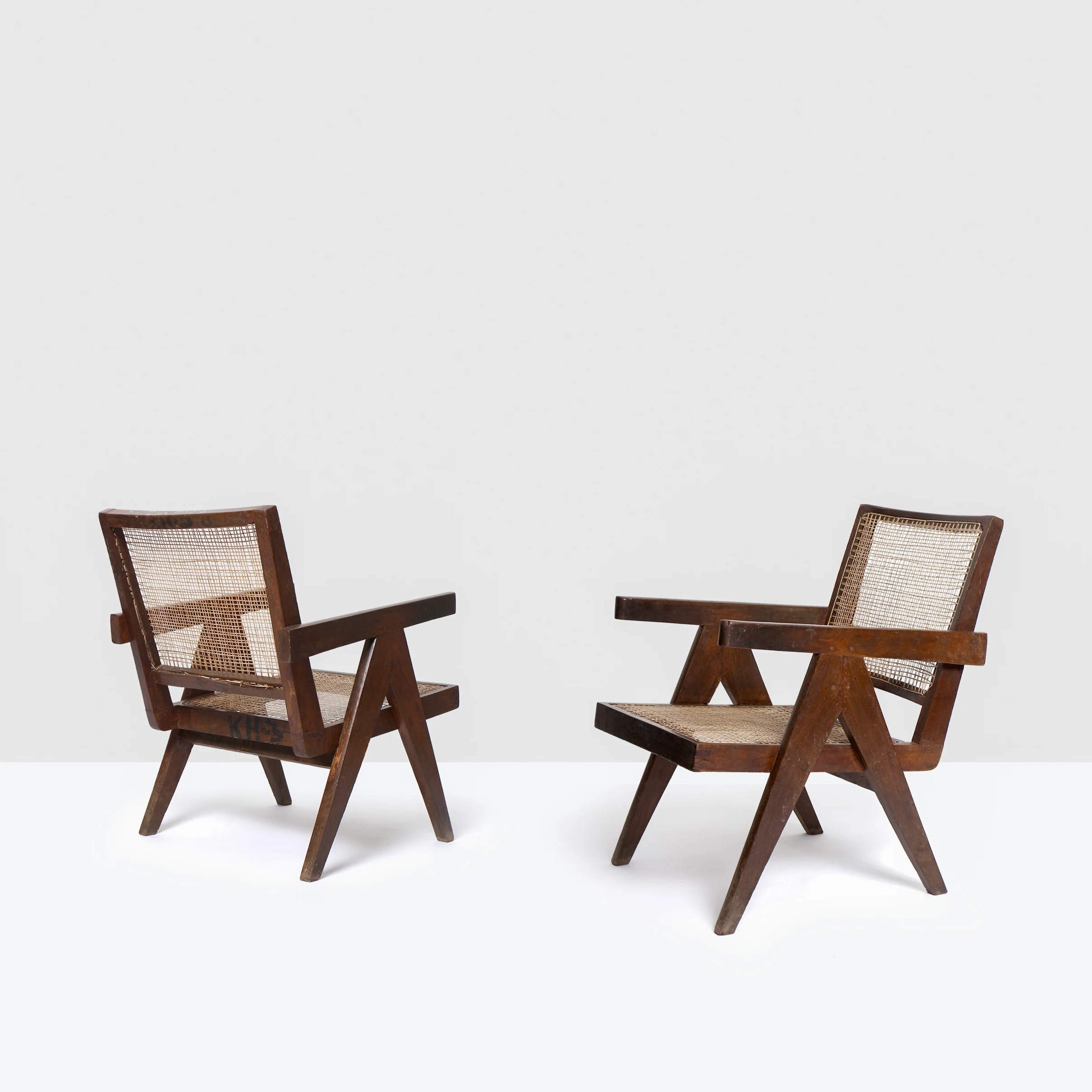
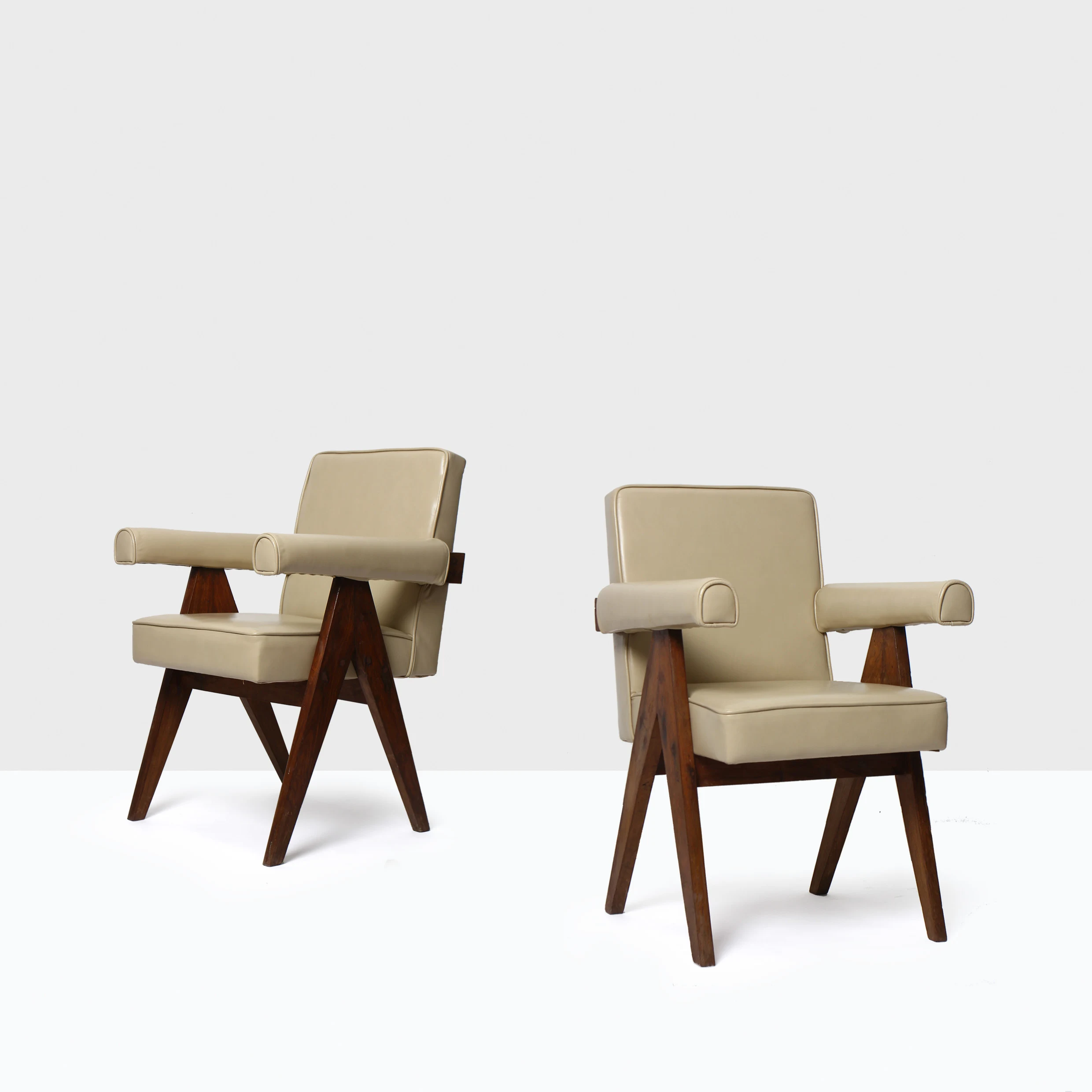
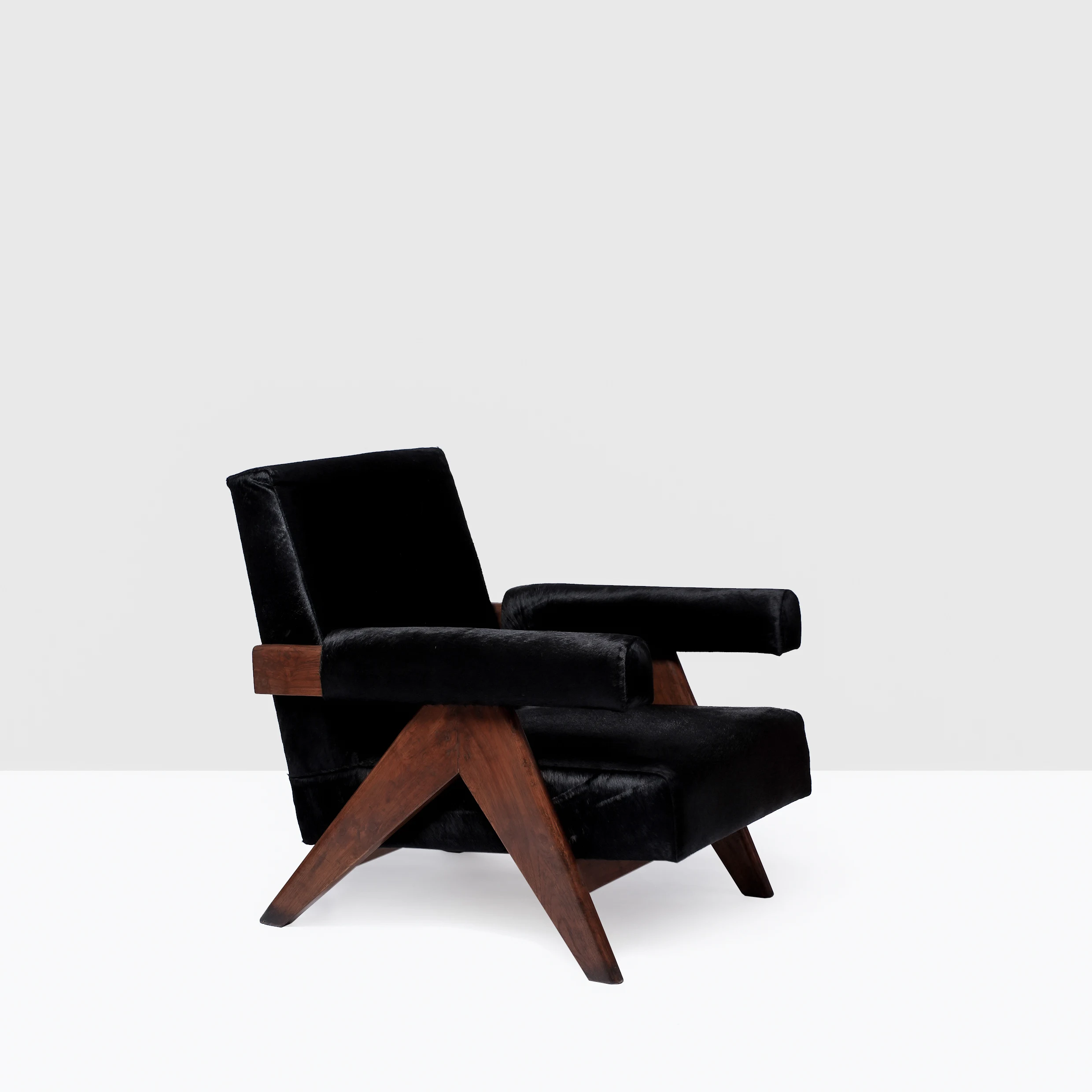
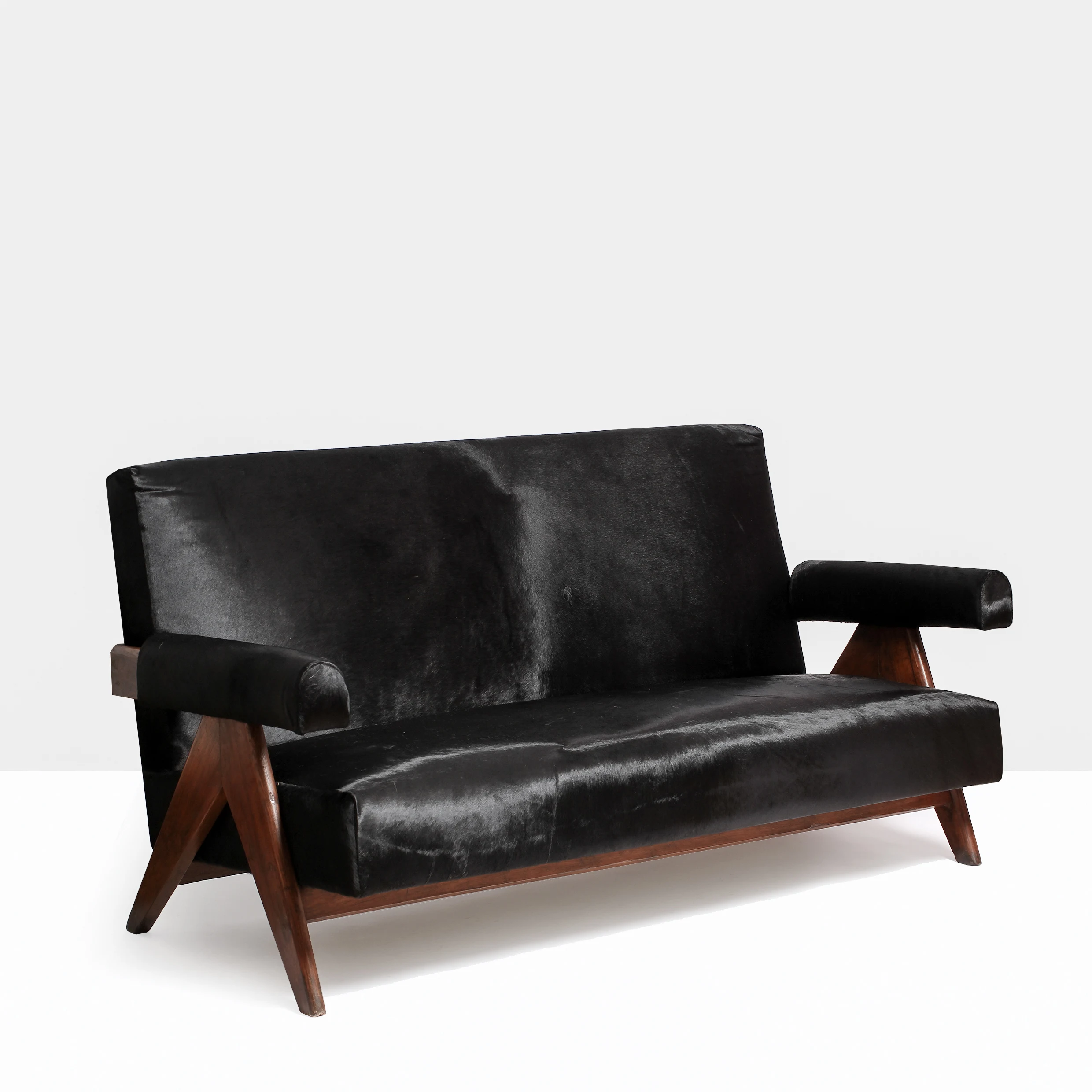
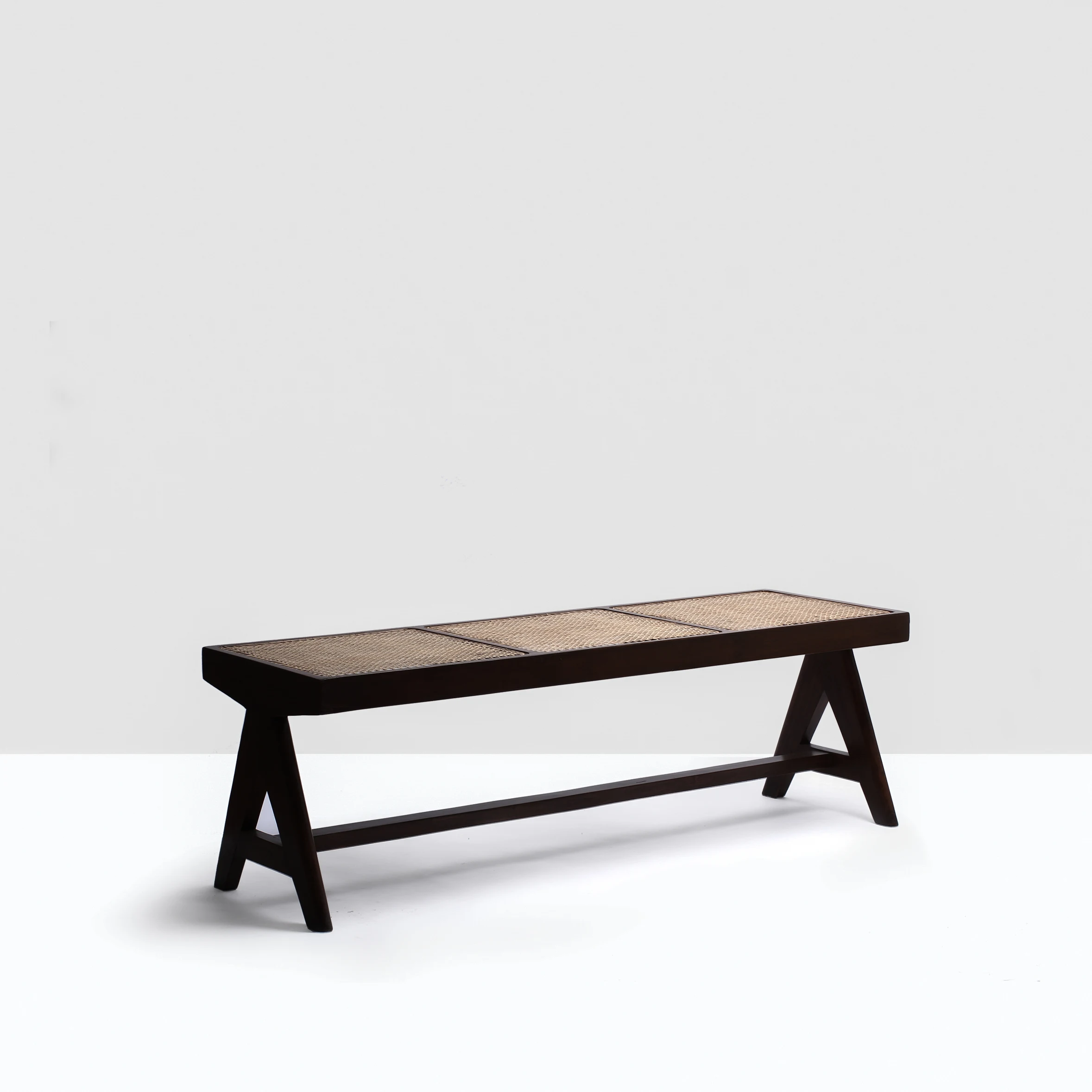
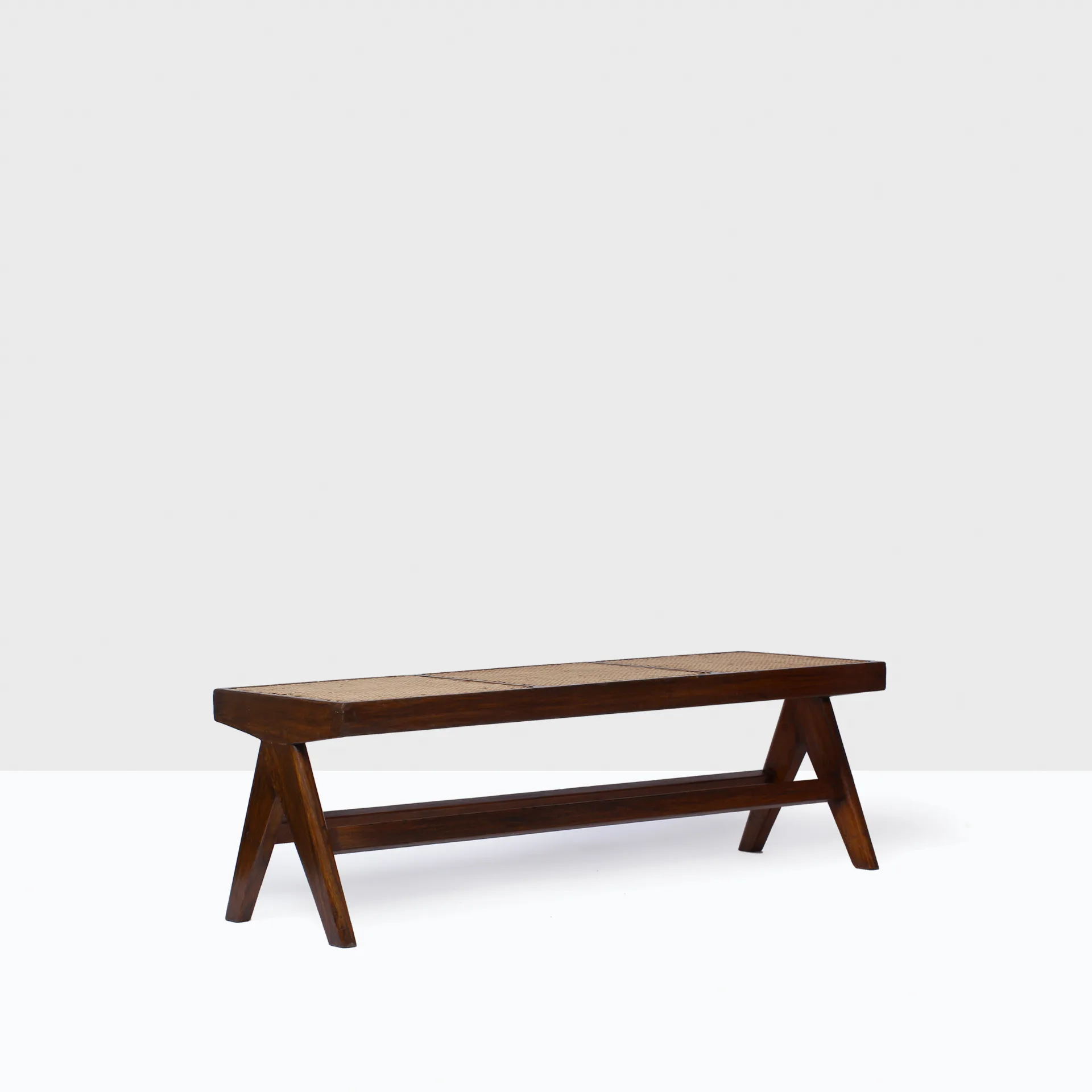
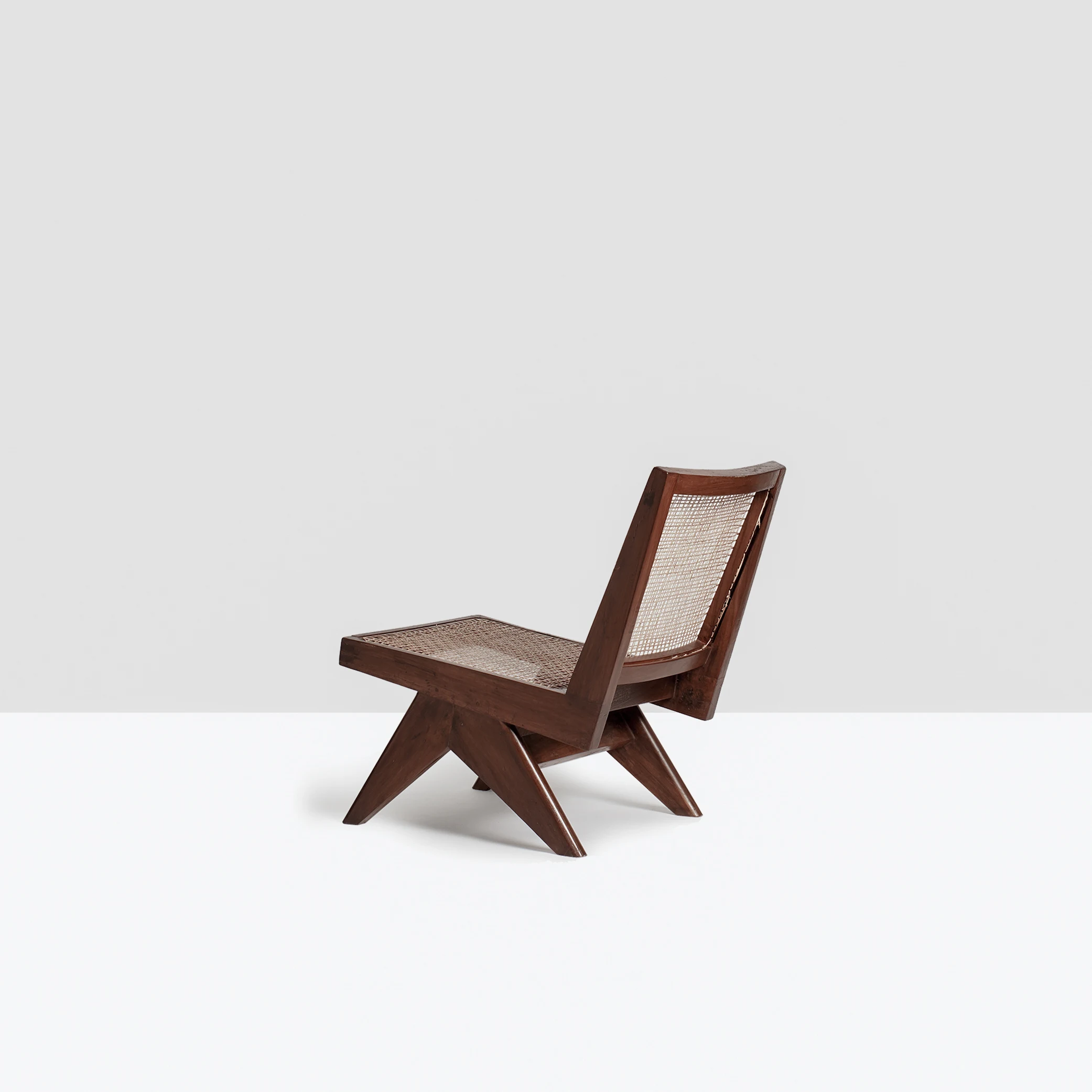
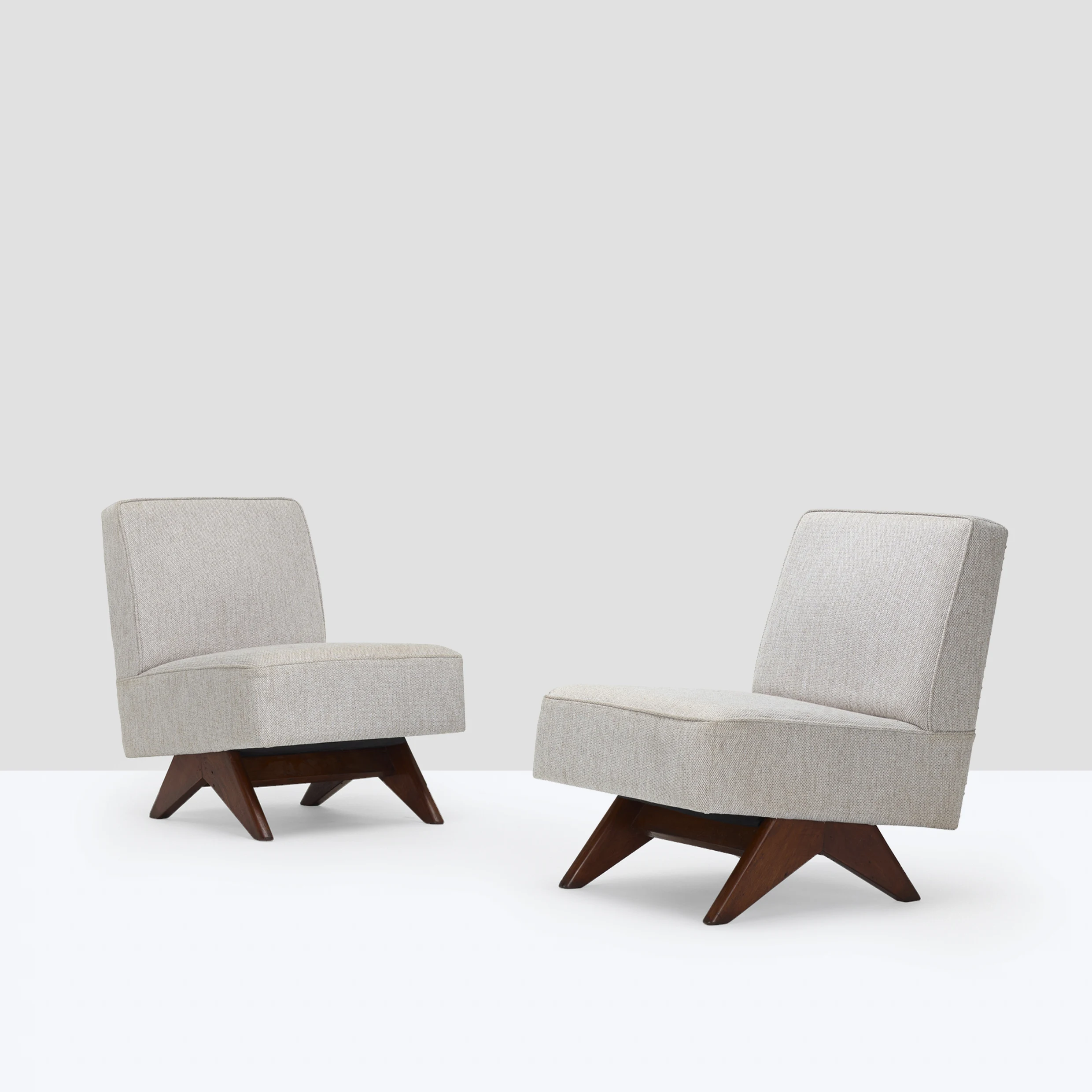
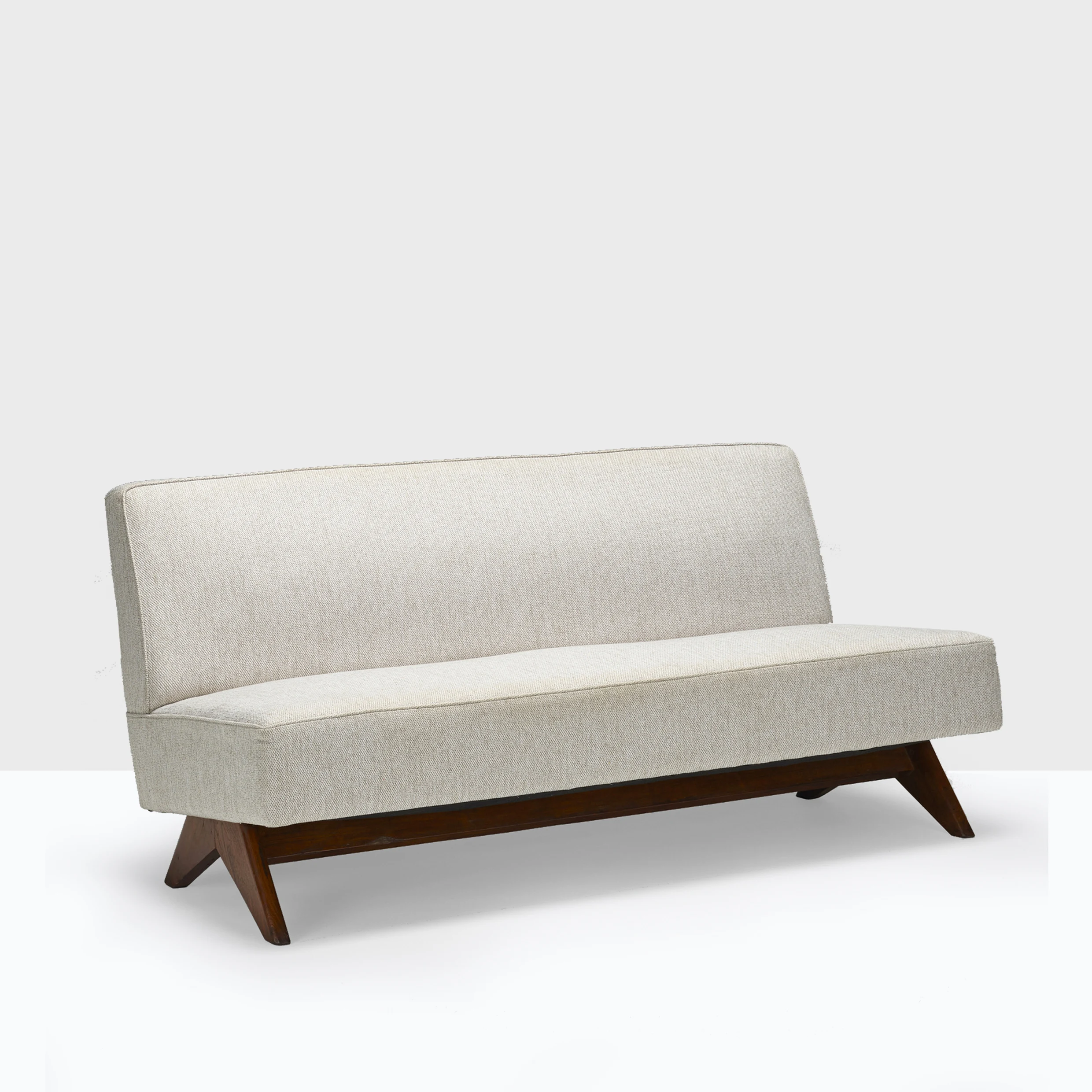
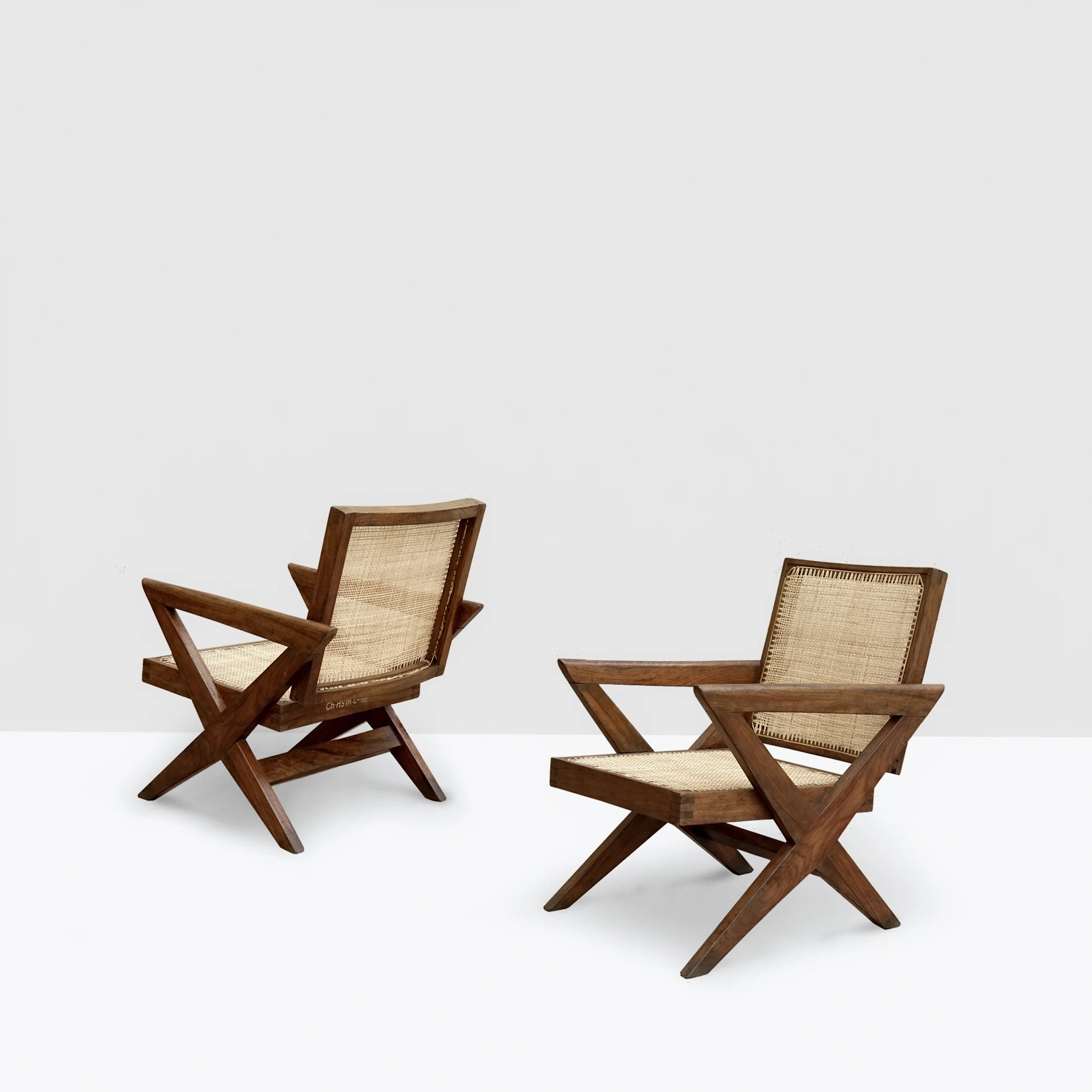
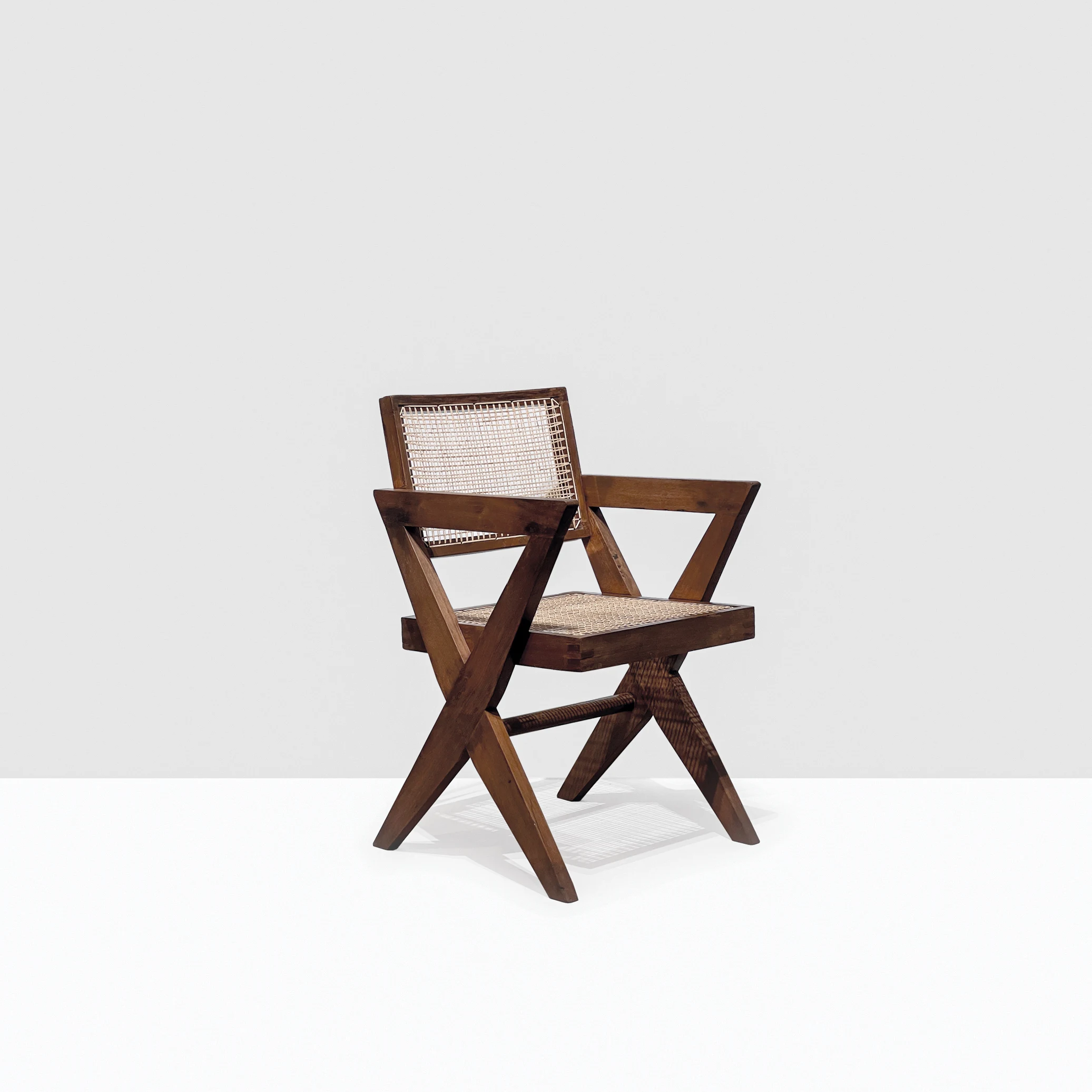
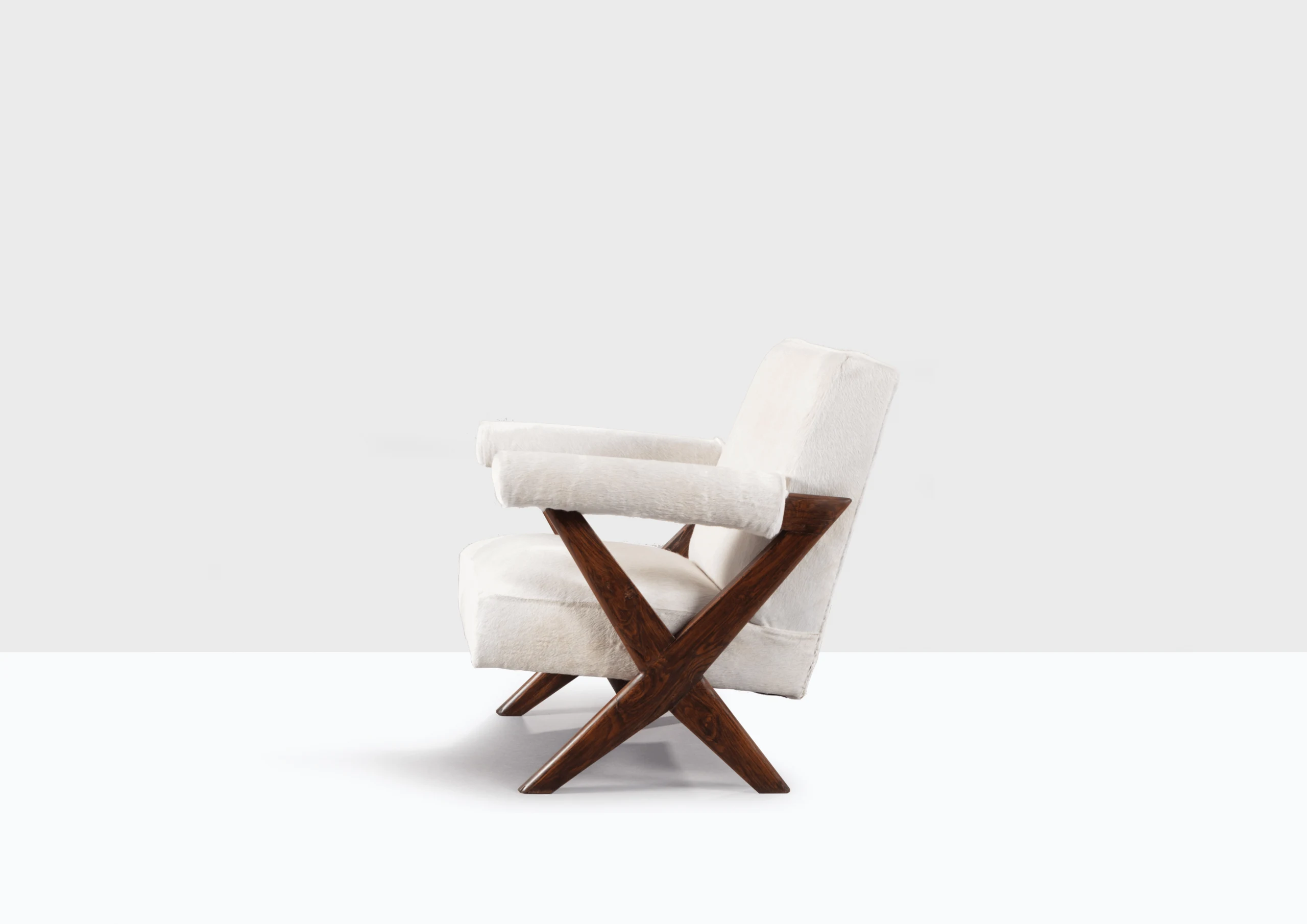
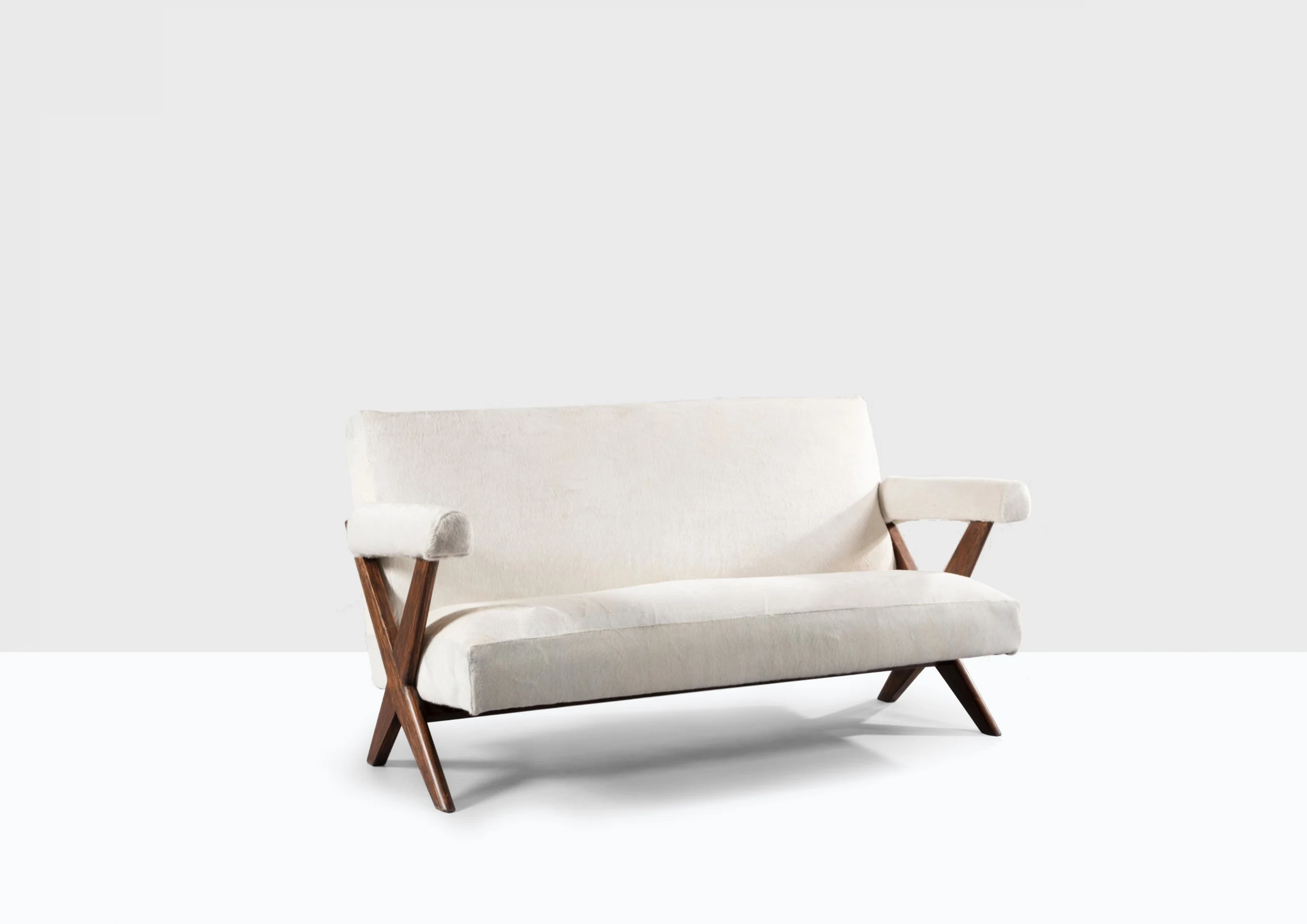
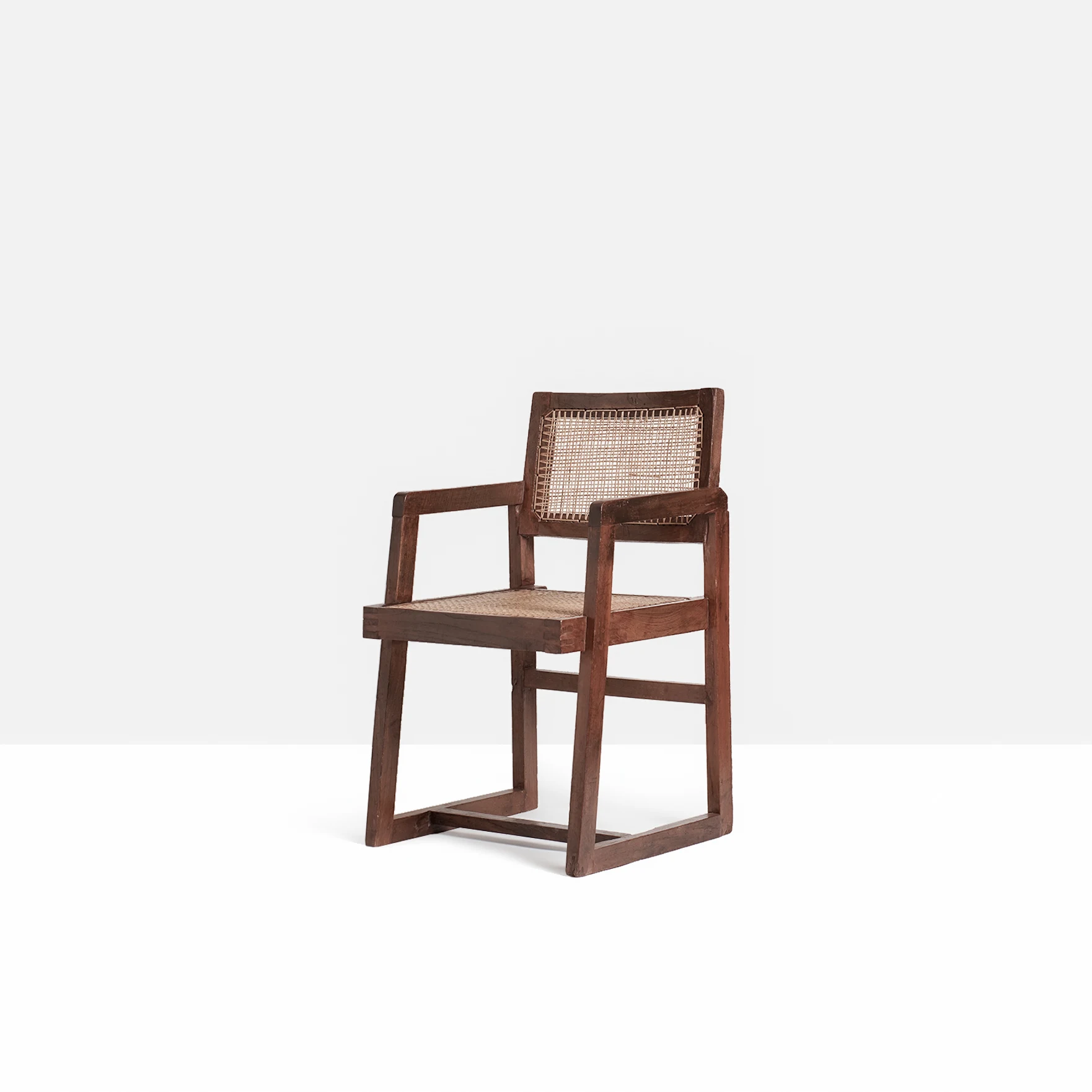
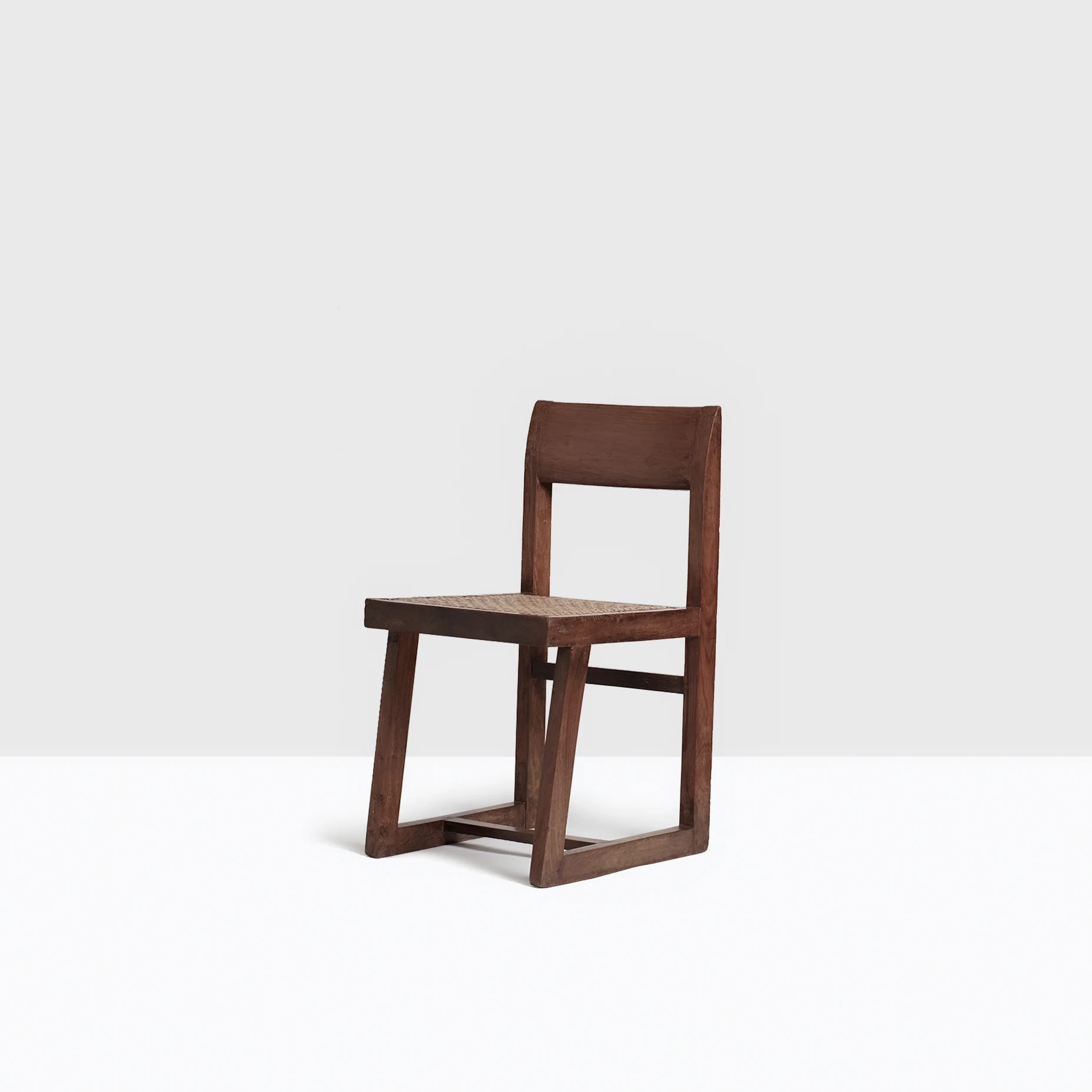
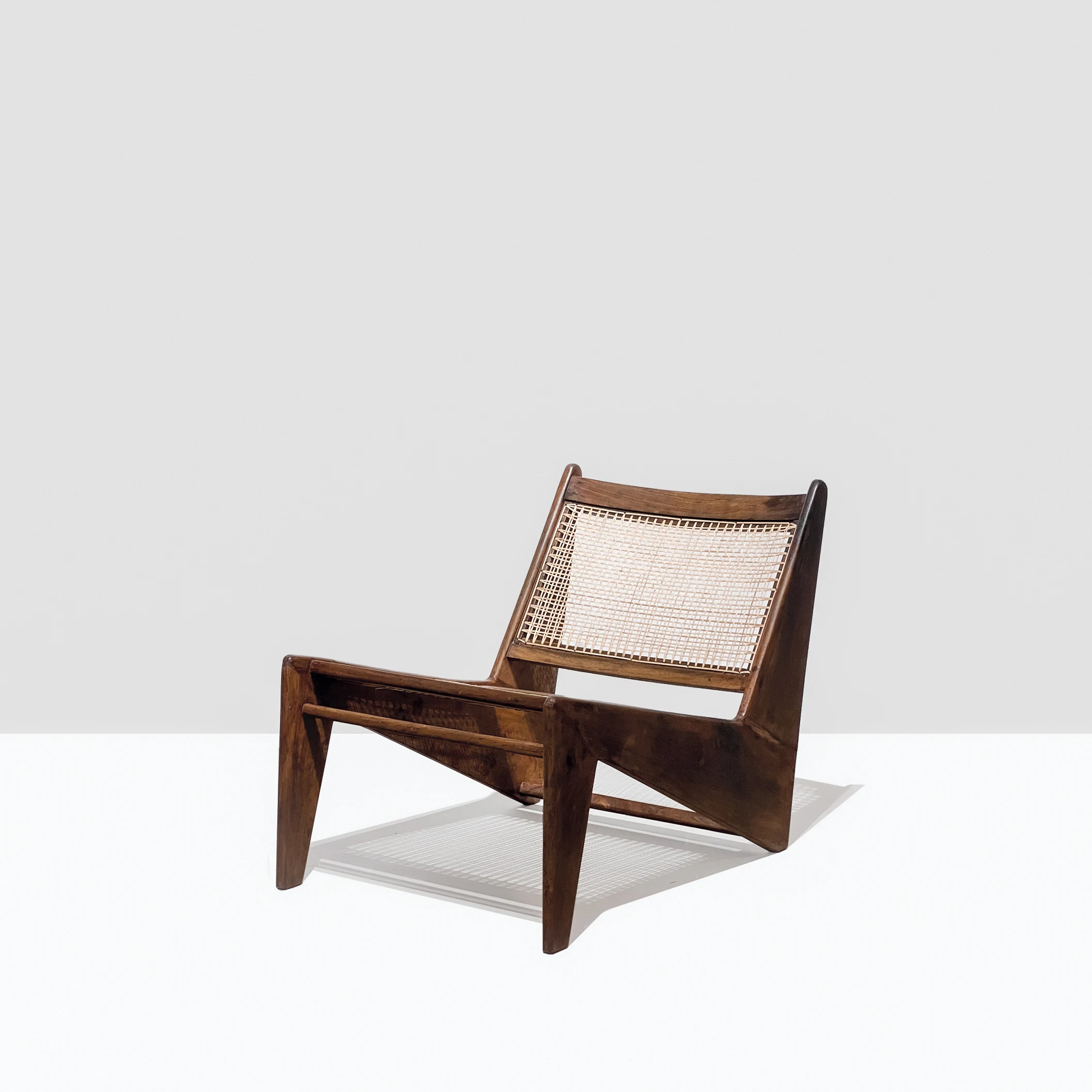
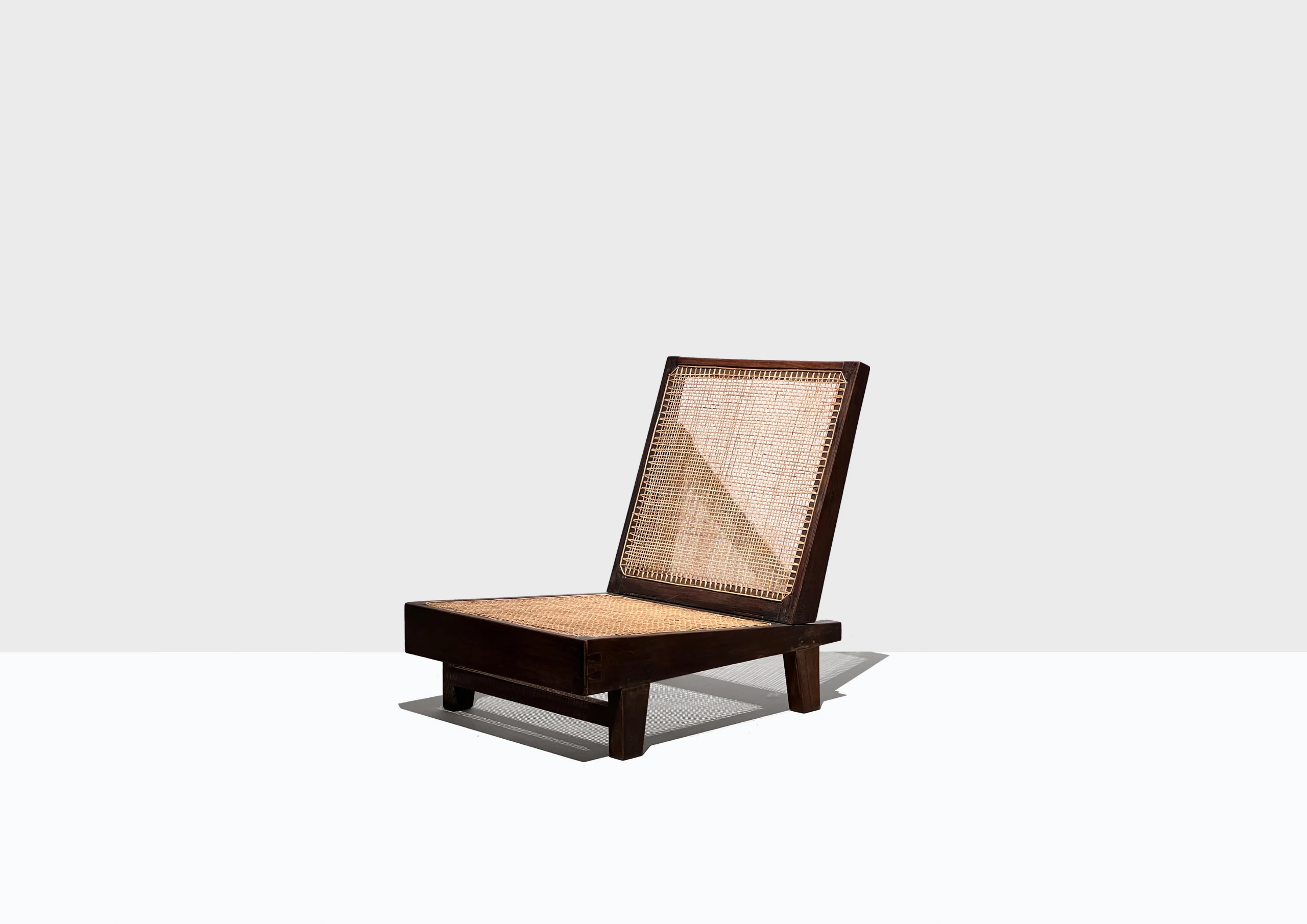
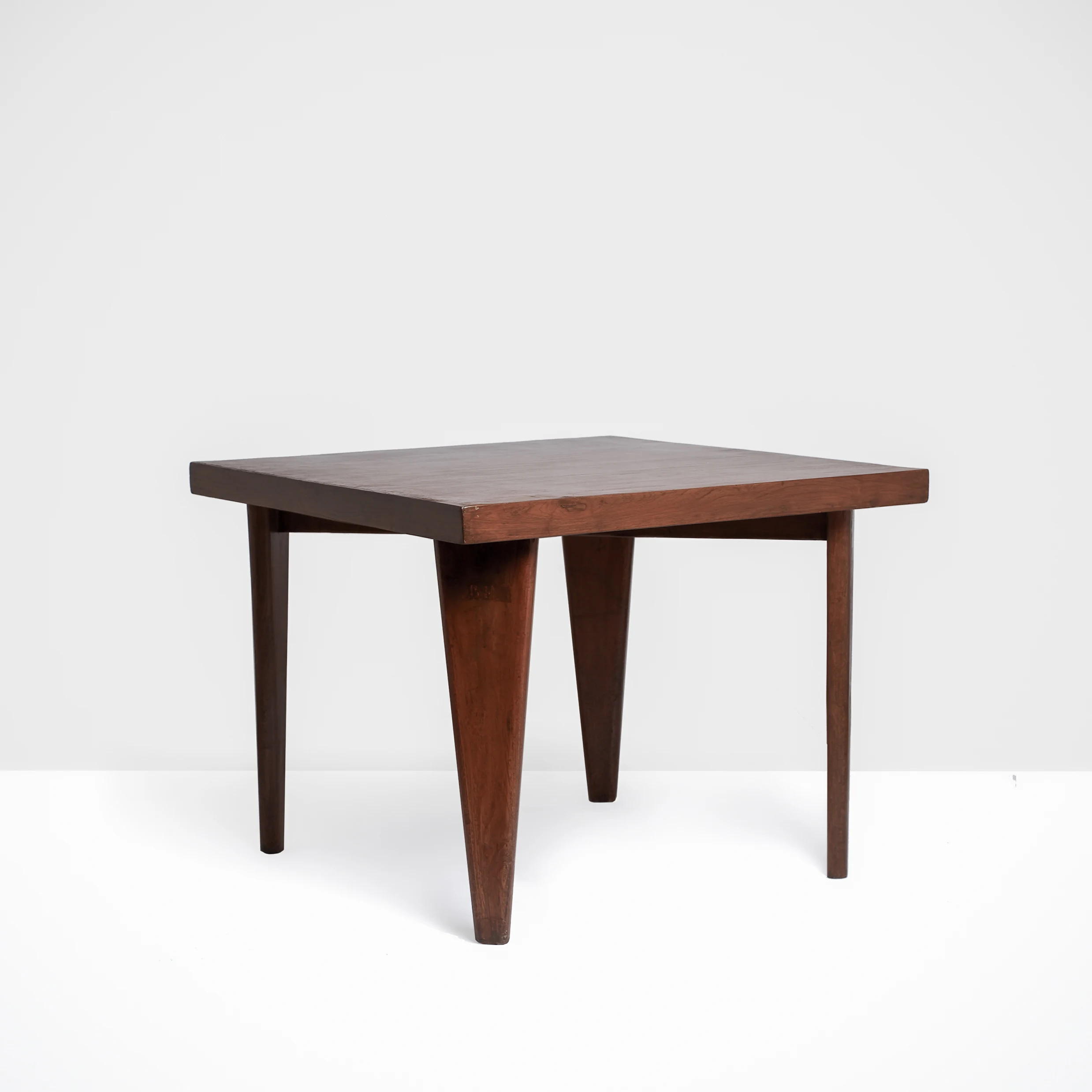
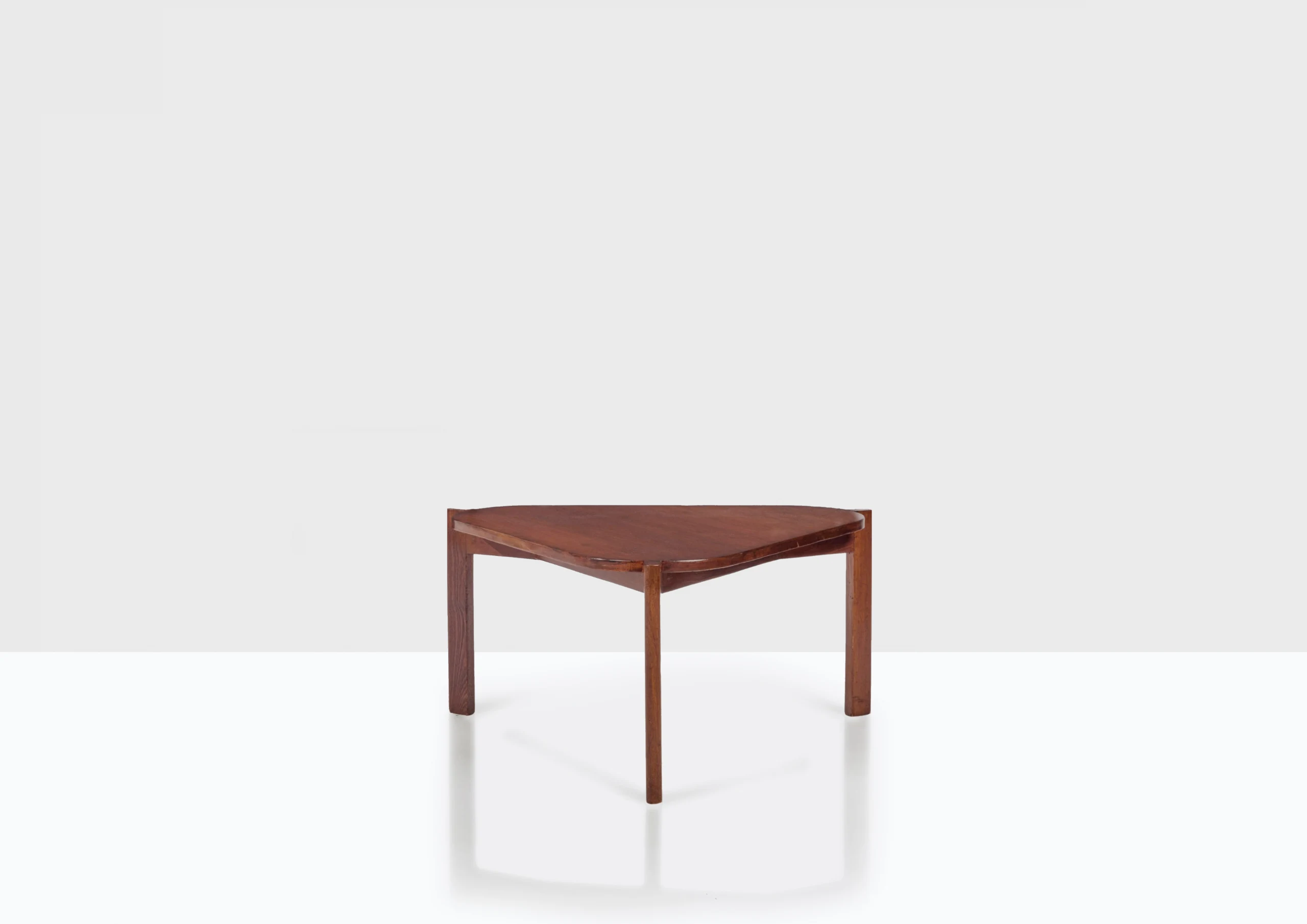
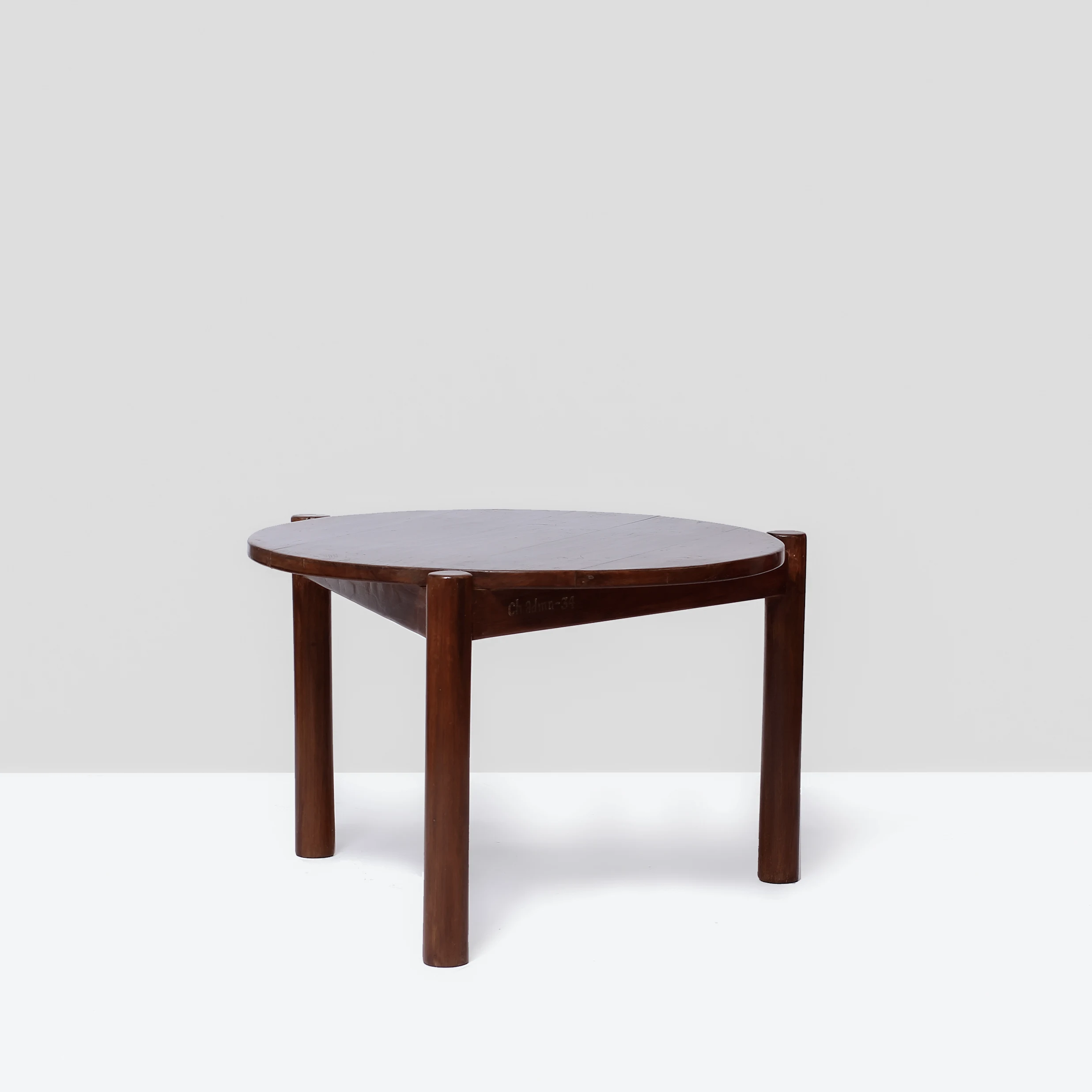
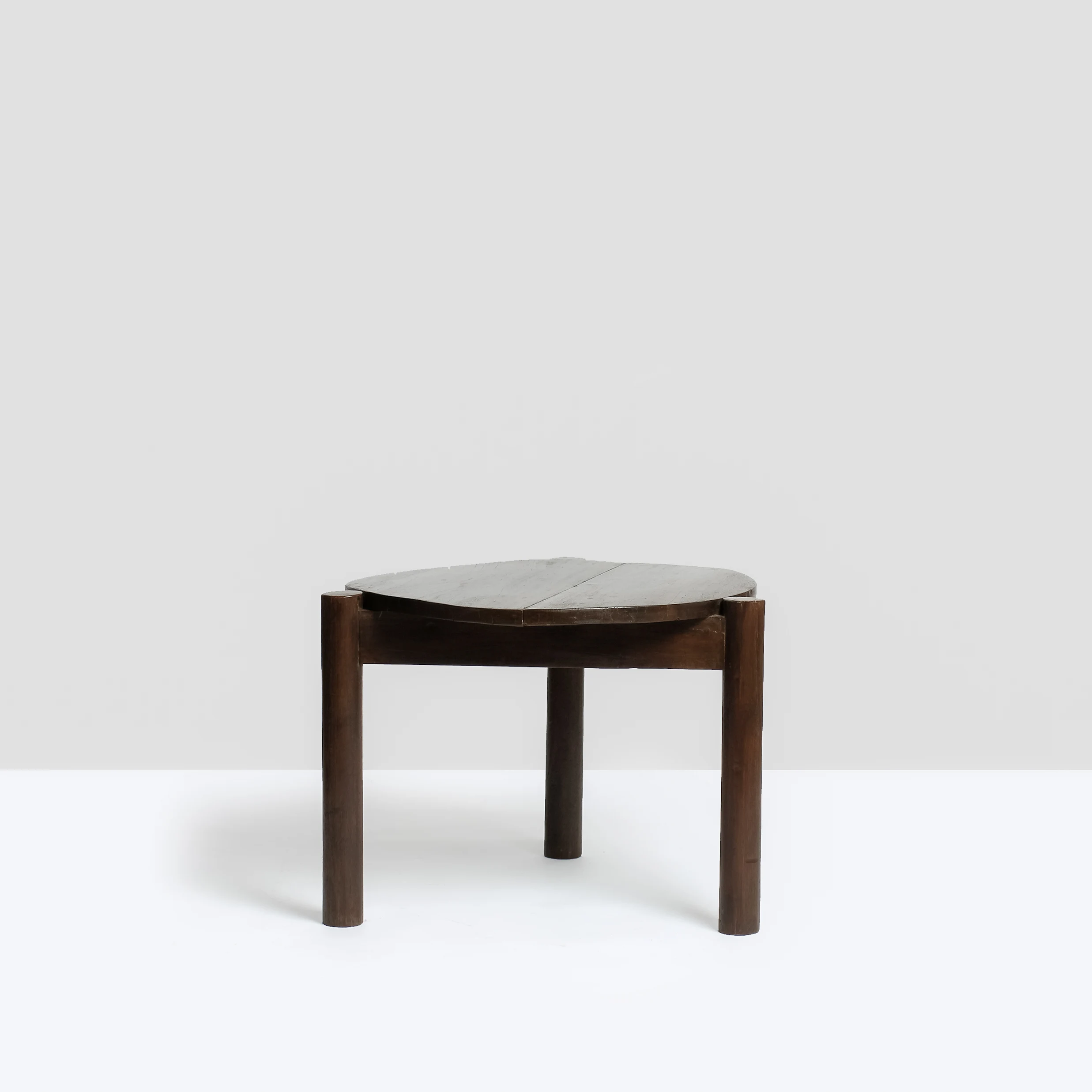
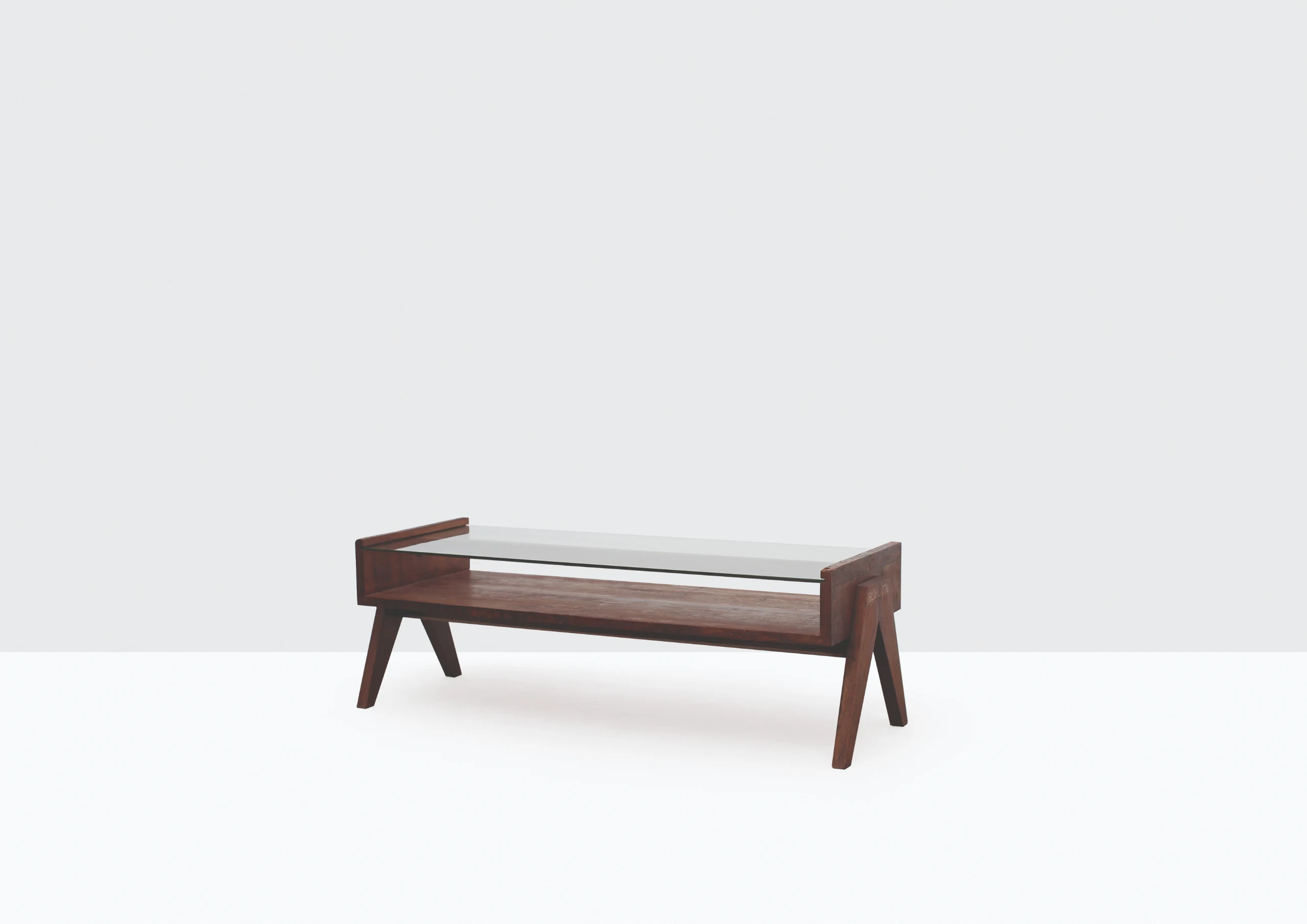
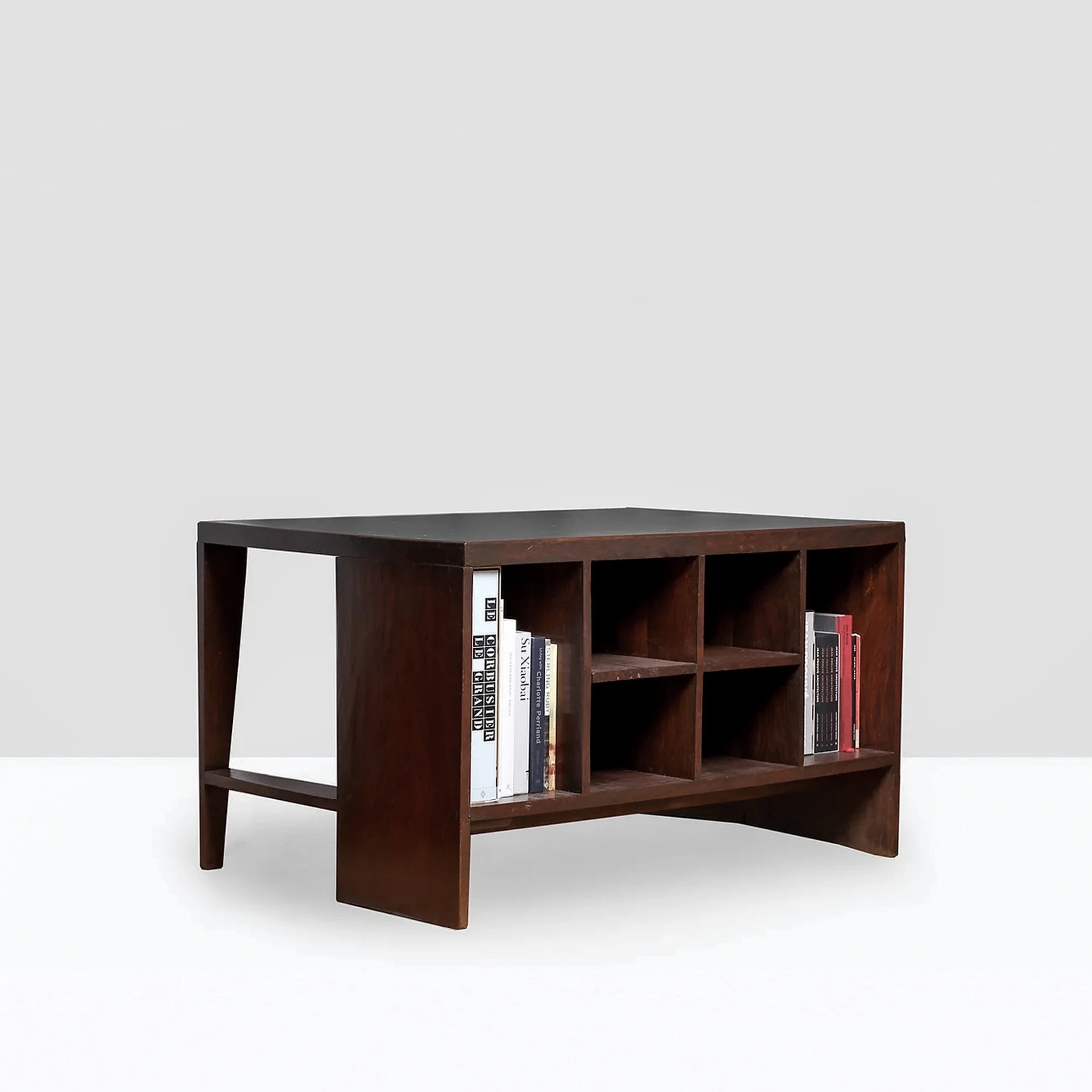
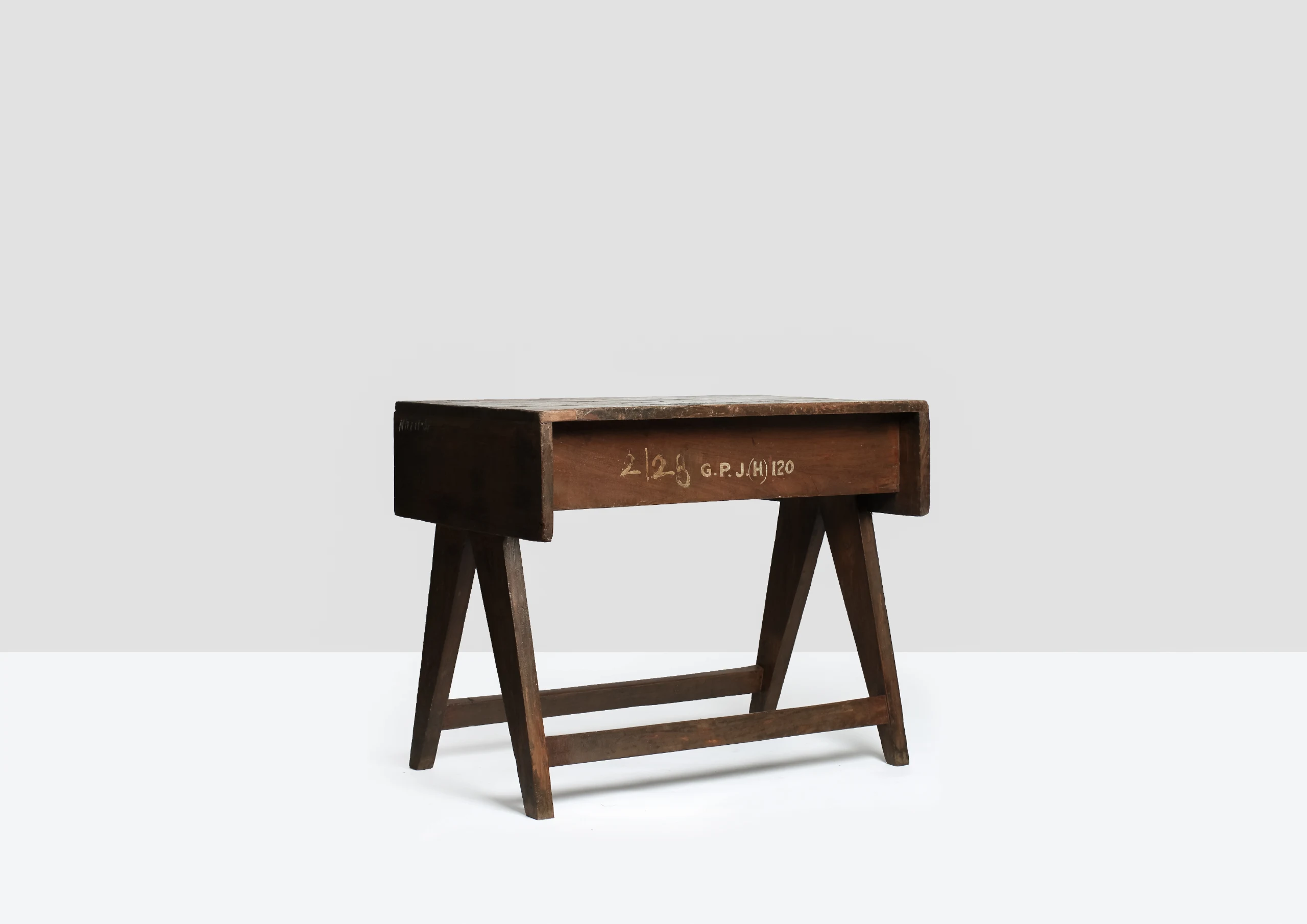
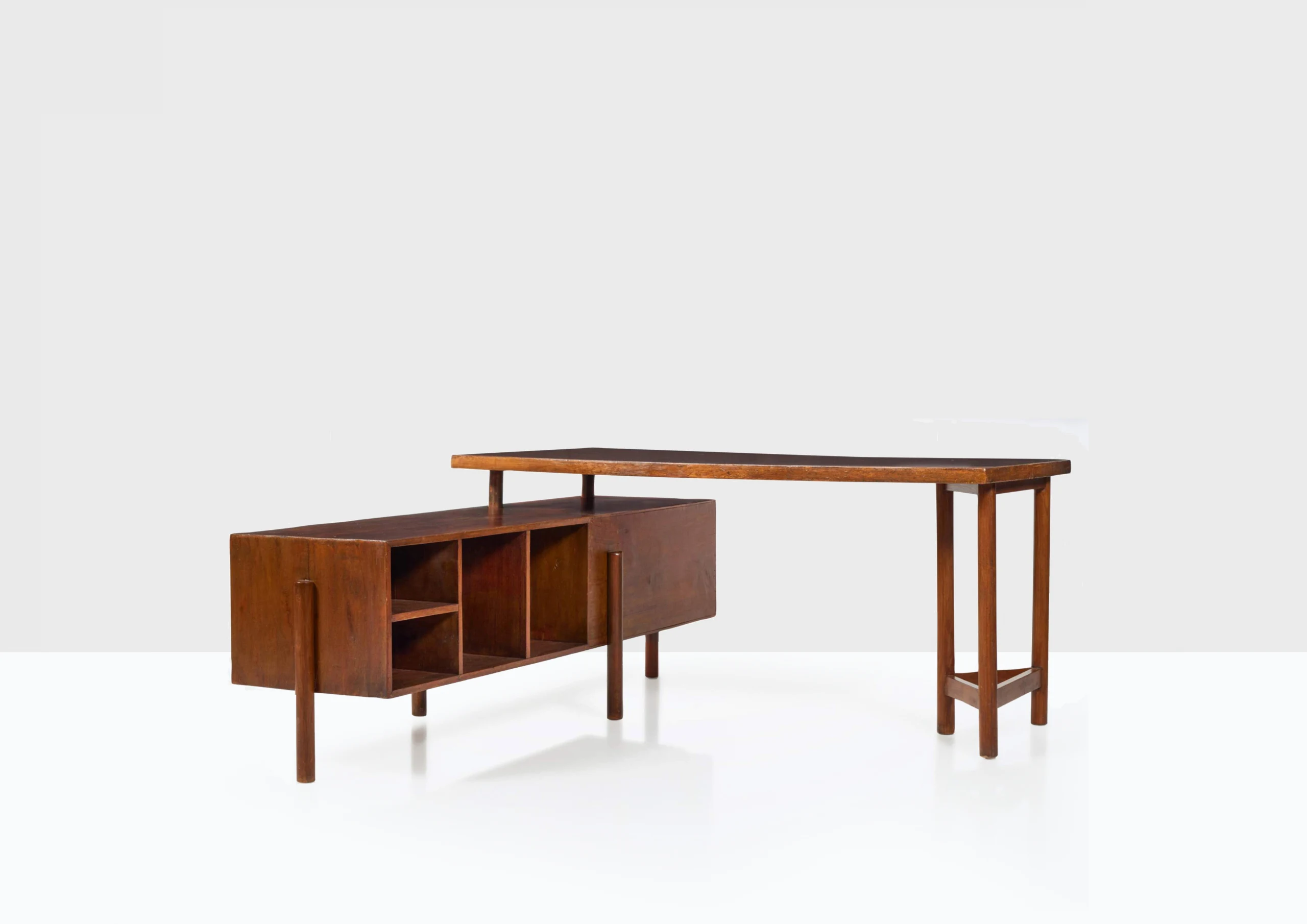
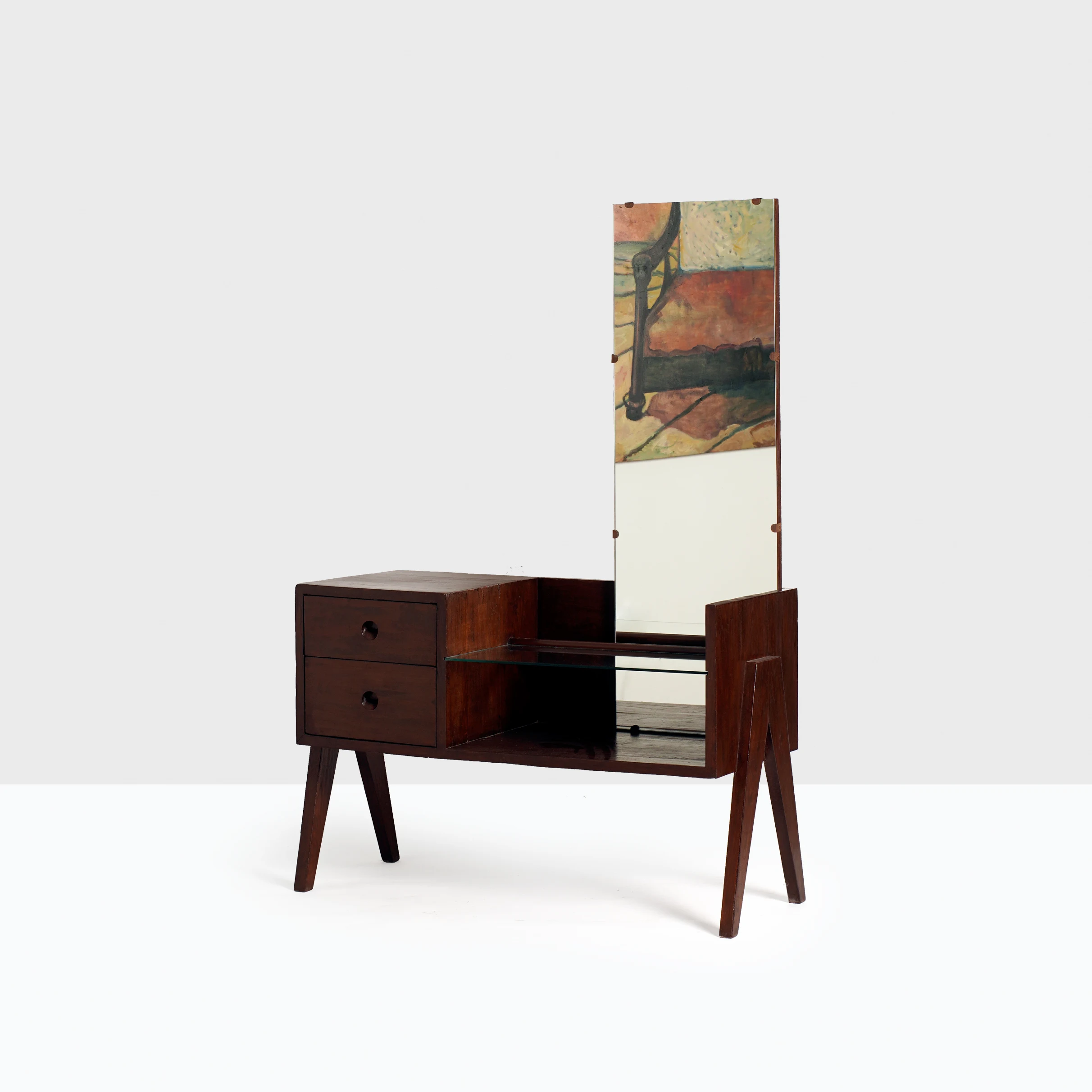
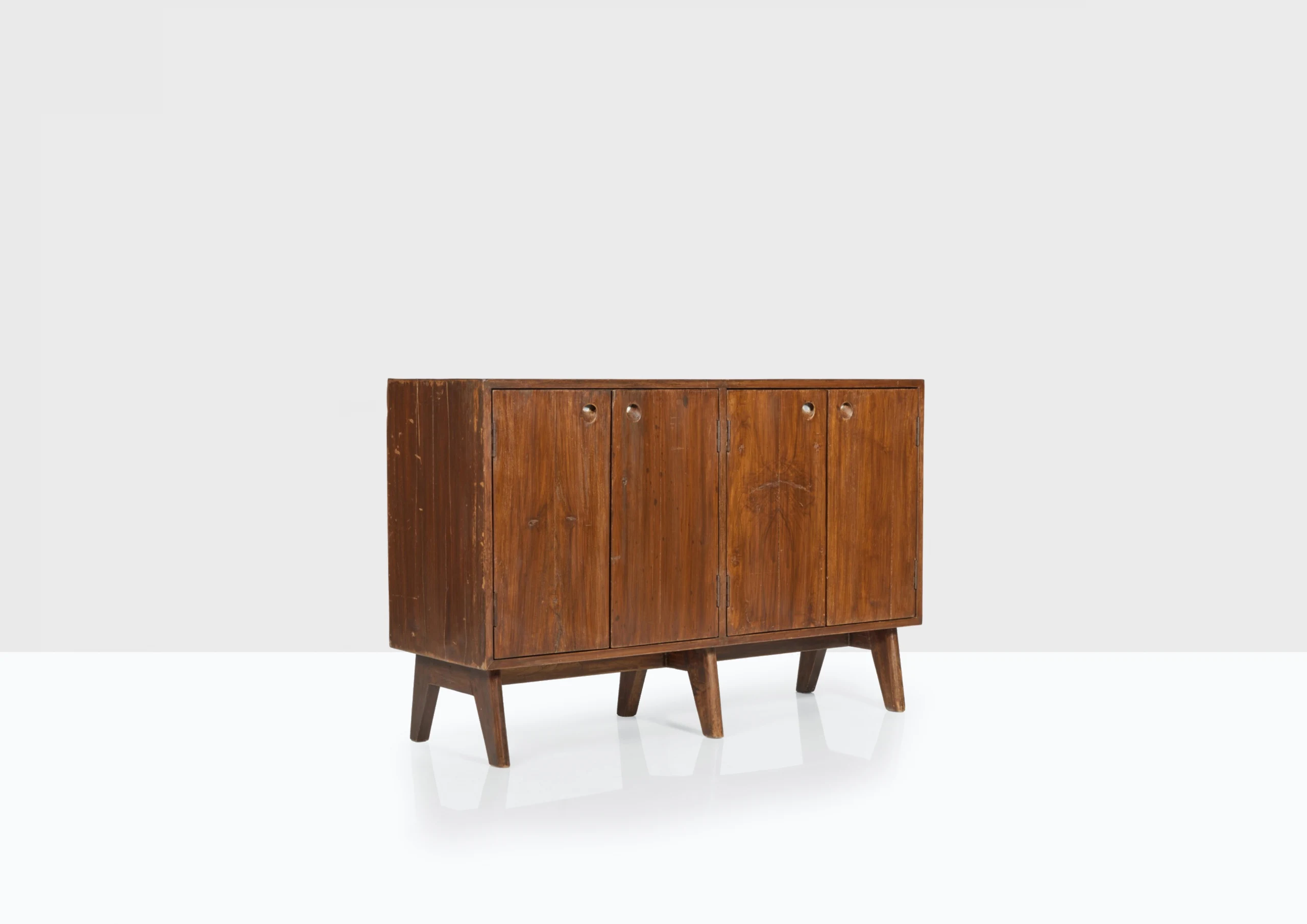
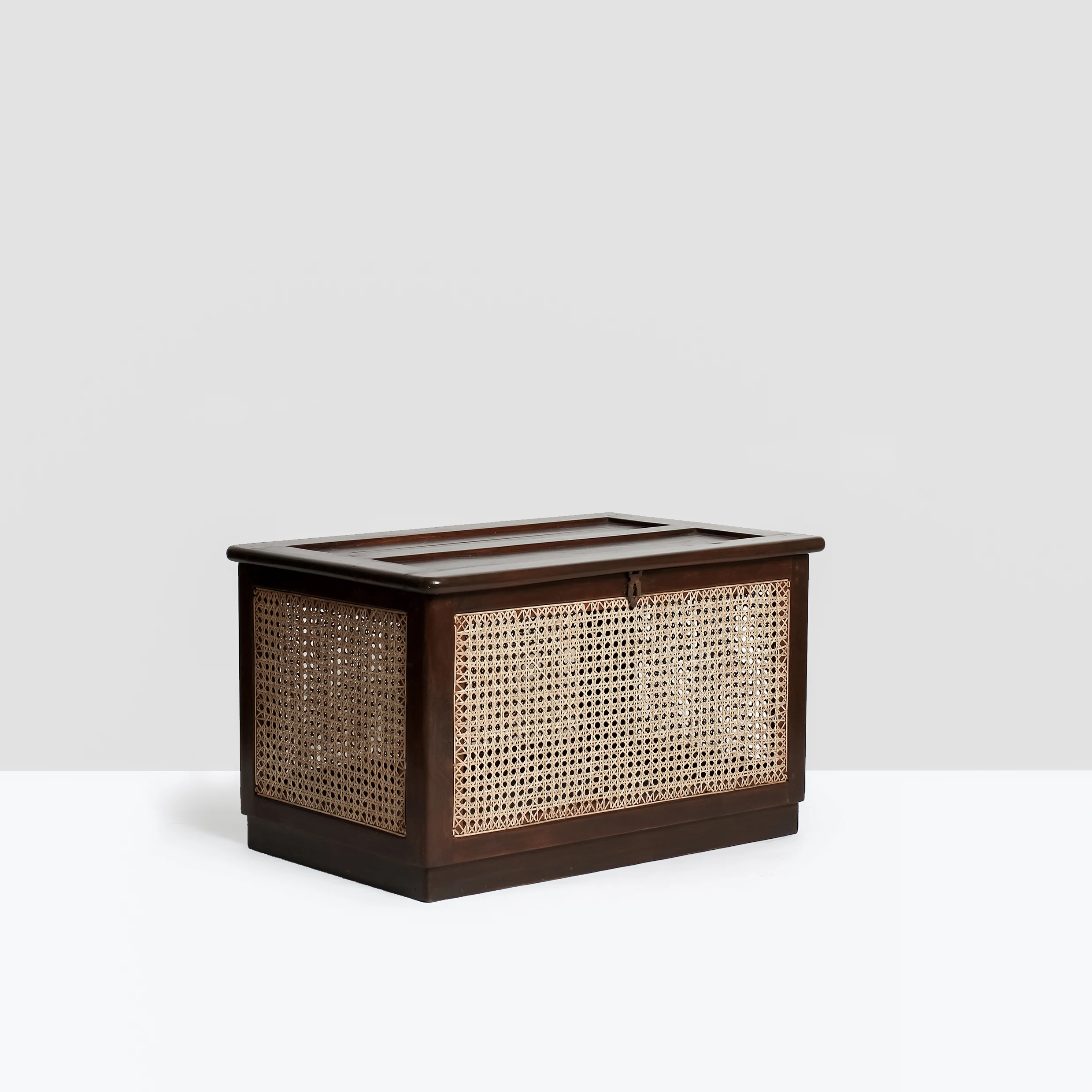
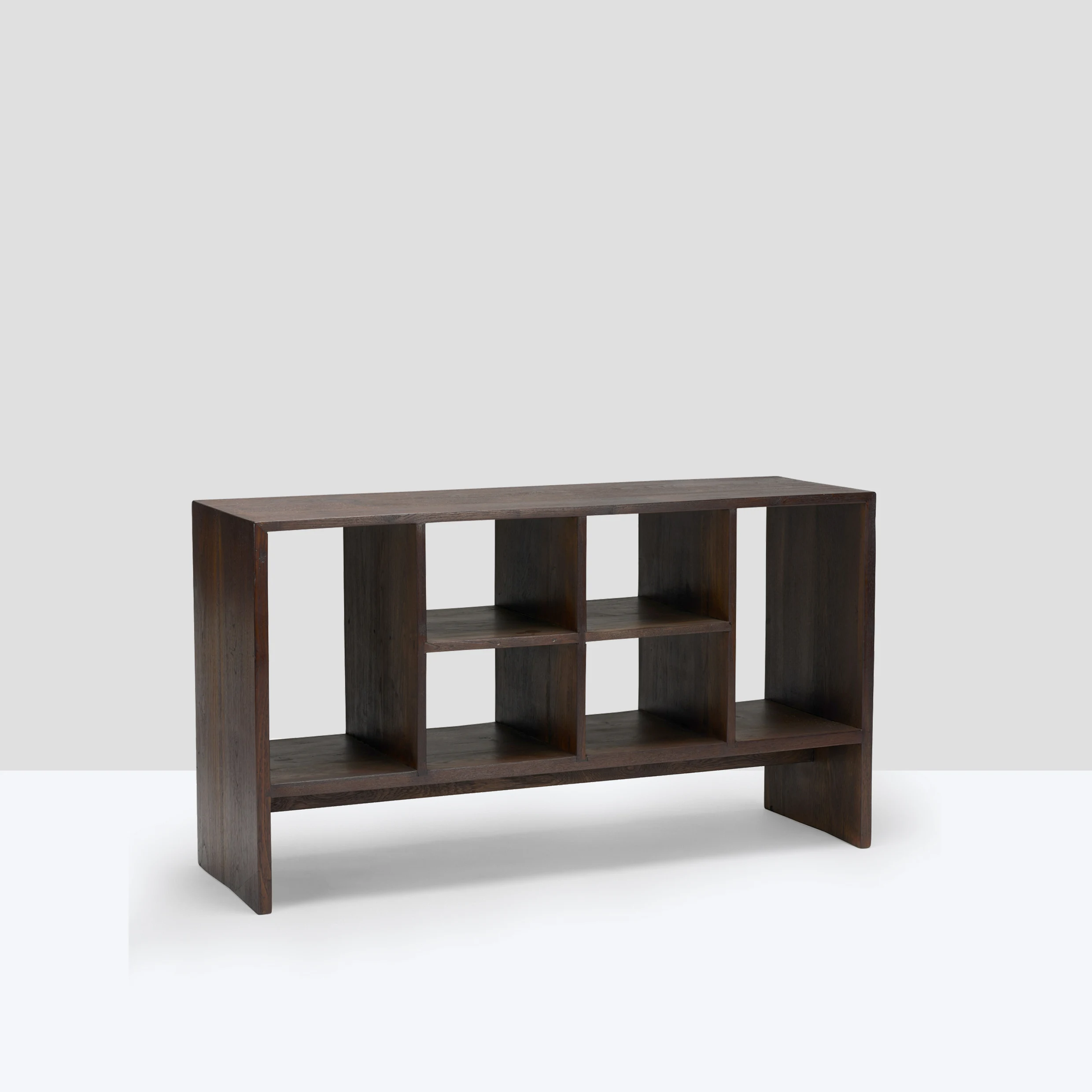
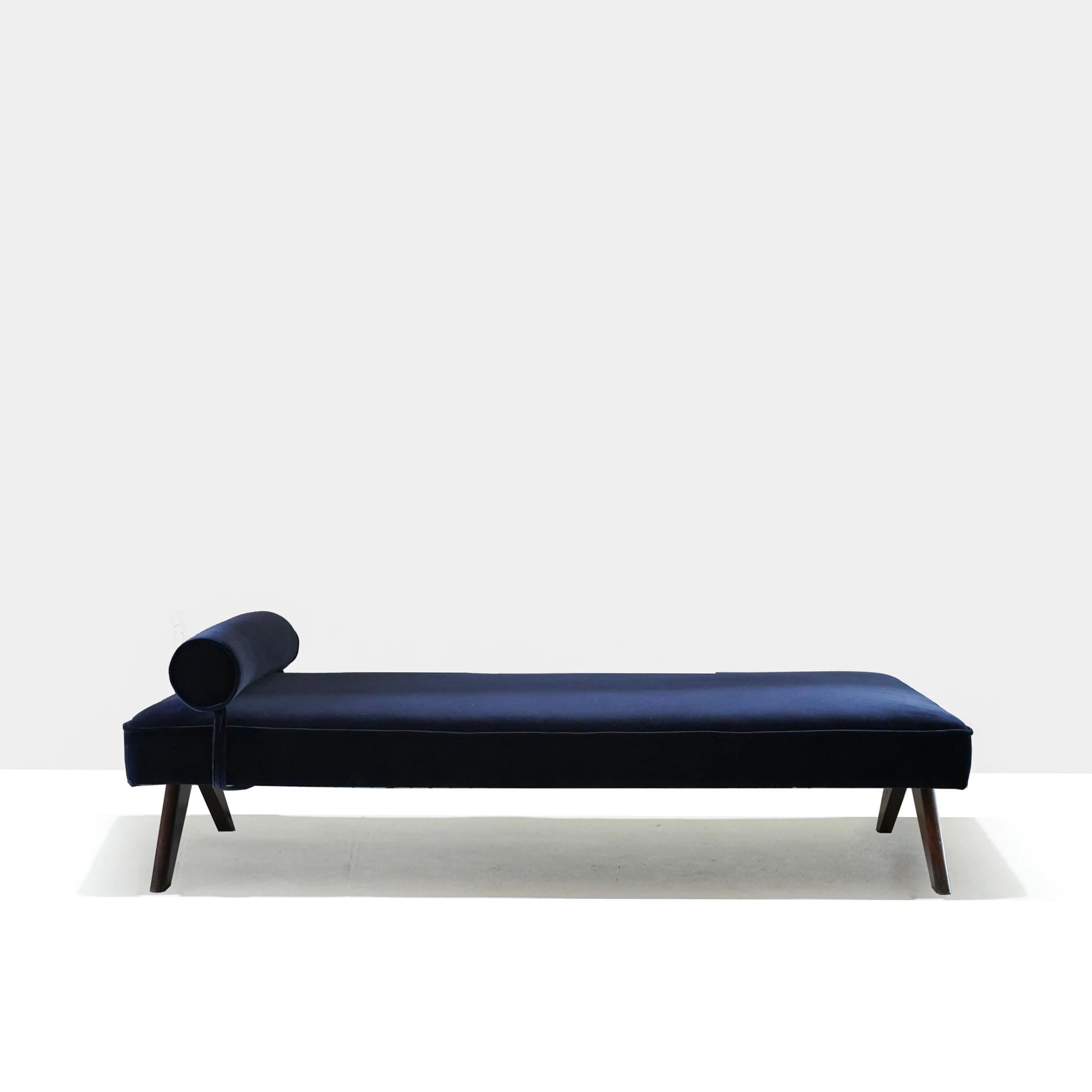
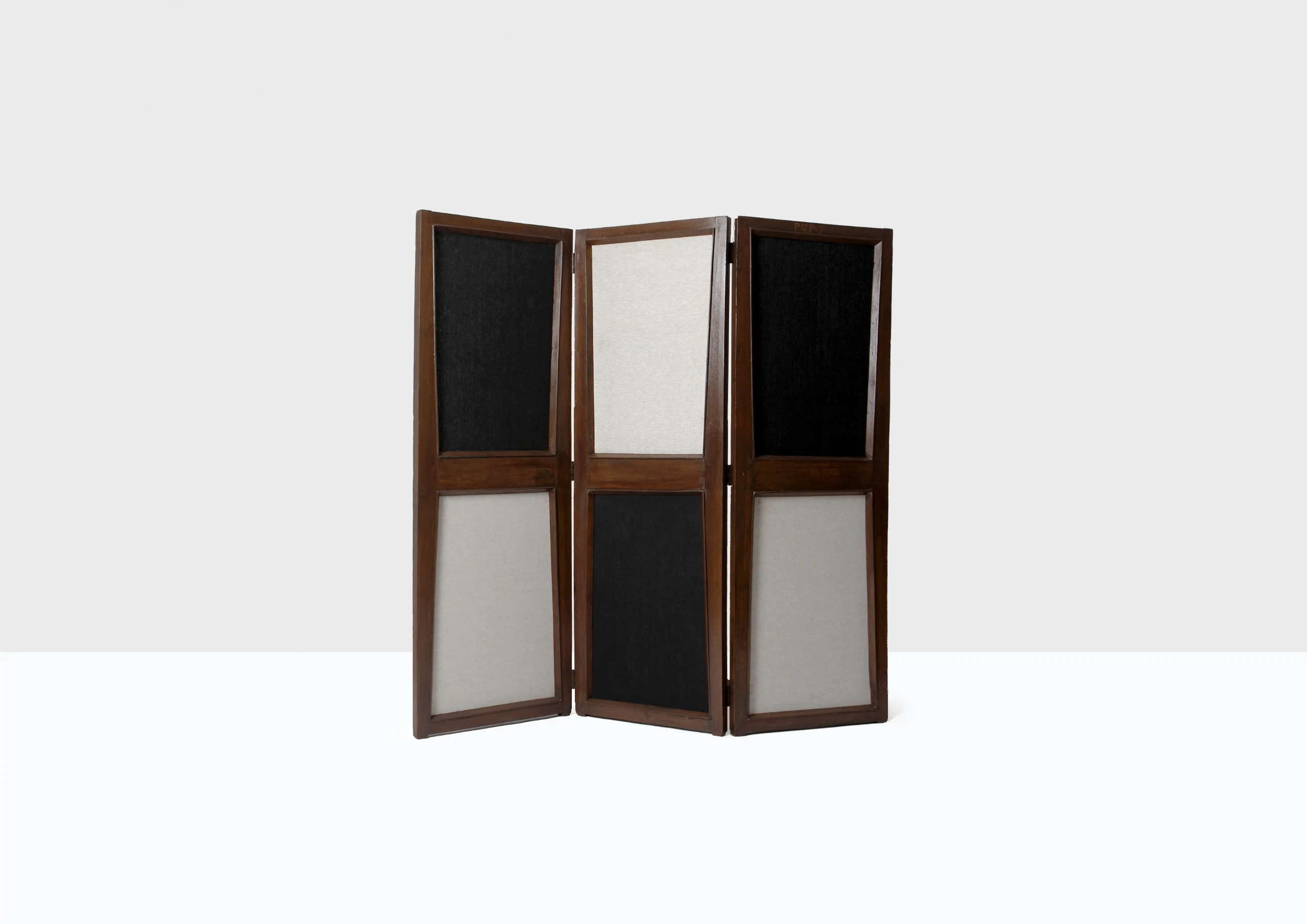
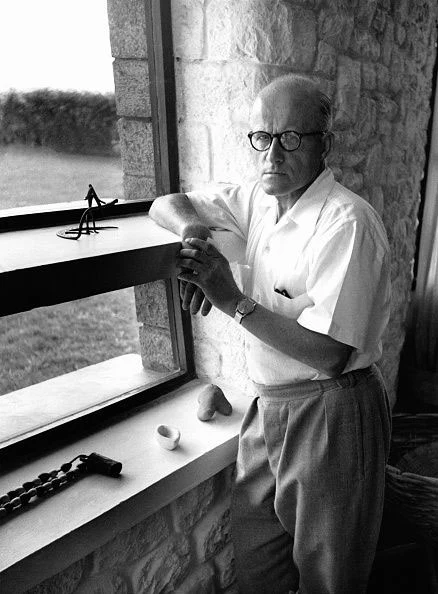
Pierre Jeanneret (1896–1967) was a preeminent Swiss architect and industrial designer who stood as a resolute vanguard of the Modernist movement. Over decades of dedicated practice, he operated as the most critical collaborator and silent catalyst for his cousin Le Corbusier, with whom he co-signed the seminal 'Five Points of Architecture' and co-realized enduring monuments of architectural history, most notably the Villa Savoye. In contrast to Le Corbusier’s pursuit of grand theories, Jeanneret’s approach was defined by pragmatism, humility, and profound humanistic concern. His ultimate legacy materialized during his 15-year tenure as the chief architect for the Chandigarh project in India. Embracing the constraints of the local environment, he masterfully repurposed affordable mediums—such as local brickwork, wicker, cotton canvas, and Burmese teak—to build dignified housing for low-income citizens and to conceive the globally celebrated 'Chandigarh Chair' furniture ensemble. Jeanneret’s oeuvre remains a powerful testament to the philosophy of 'shaping the absolute essentials through mundane means,' bringing exceptional empathy and timeless dignity to the tenets of Modernism.